

























































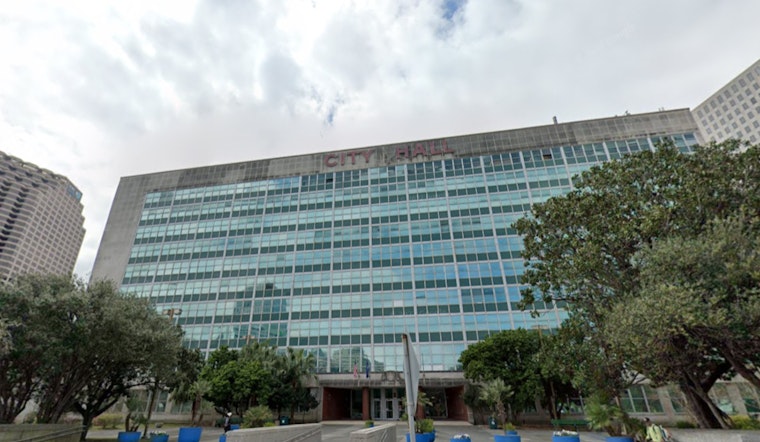
In a recent meeting on Thursday, September 18, the New Orleans Governmental Affairs Committee put forward several key recommendations, which include the significant expansion of the missing-person safety alert system in the wake of what has been deemed a necessary response to the tragedy of Bryan Vasquez. According to the Council of New Orleans, Motion No. M-25-469 aims to close the loopholes in the current AMBER and Silver Alerts by including a wider range of individuals like those with cognitive or developmental impairments.
As reported, the revised system will not only capture the young and elderly but will also encompass vulnerable adults not previously covered by existing alerts. Key to this agenda is the NOPD's policy update which would pave the way for local alerts through platforms like NOLA Ready. The Committee suggested adding this motion to the Council’s consent agenda at the upcoming Thursday, September 25, Council meeting, demonstrating a swift response to the community's safety needs following the harrowing incident that bought the gaps in the system to light.
Moreover, in the realm of civic duty, the Committee has recommended several new appointments to city commissions. Highlighted among them are Jacqueline Mouton Kepper for the City Planning Commission and Andrew Meaders for the Audubon Commission; both individuals bring a wealth of legal and urban planning expertise to the table. Additionally, in healthcare management, an amendment to extend the City's self-funded medical, dental, and vision coverage with UnitedHealthcare Services through 2026 was discussed, bearing a hefty $80 million maximum pay-out figure. The details on the justification for this sum were laid out in a full-length explanation, available on YouTube for those who are interested in the in-depth budgetary rationale.
However, when it came to the entertainment sector, specifically a proposed Cooperative Endeavor Agreement with 44 Blue Productions/PBP, LLC, discomfort among the Committee members led to an impasse. Despite assurances that the company’s documentary programming, which includes graphic content from real-life crime scenes, is handled with care, committee members expressed unease, particularly with images showing film crews within close proximity to crime scenes. "Sensitive footage is blurred, and production never proceeds without the express consent of the victim's family or next of kin," a representative for the company assured, attempting to mitigate the rising concerns. Given this tension, and with unresolved issues lingering, the decision on the CEA was deferred, providing 44 Blue Productions additional time to clarify and address the specifics of the Committee's concerns, as documented in the official summary of the meeting.
The Committee's agenda showcases the multifaceted scope of issues currently at play in New Orleans, from expanding safety alert systems to balancing fiscal responsibility and scrutinizing media's role in the portrayal of the city. The outcomes of these discussions are set to shape policies and city life, a reflection of the ever-evolving dynamic between governance and the governed.




