

























































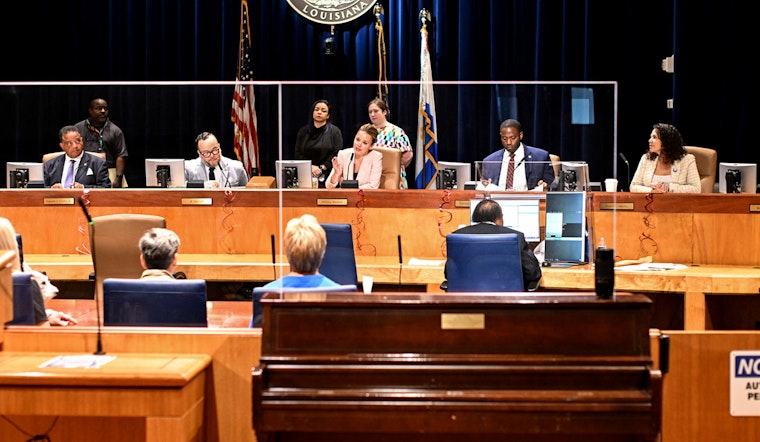
In a courtroom battle ringing with the sounds of victory for New Orleans residents, a federal judge has cemented the city's authority to regulate short-term rentals, handing down a decision that wards off a legal challenge from Airbnb. The tech giant's lawsuit, which took swipes at the city's 2023 short-term rental laws as unconstitutional, was dismissed with prejudice for lack of a claim that could hold water. According to the New Orleans City Council news release, Council President JP Morrell welcomed the ruling, saying, "This is a massive win for the residents of New Orleans," and proclaimed that the council "will always fight to preserve neighborhoods and prevent corporations from running amok at the expense of residents."
The City Council's measures, aimed at reining in the proliferation of short-term rentals and preserve the local housing market, include non-commercial short-term rental permits—and despite Airbnb's staunch opposition, the court ruled there is no "fundamental right to rent out residential property on a short-term basis." These steps are part of a broader initiative mentioned by City Council Vice President Helena Moreno to set "fair and responsible rules" around such rentals, she told the release; and are designed to protect neighborhoods, maintain housing accessibility, and hold rental platforms accountable which was an effort also recognized by District B Councilmember Lesli Harris who said that the "ruling is a major win for New Orleans residents who have long called for fair, enforceable short-term rental rules."
District C Councilmember Freddie King III praised the regulation for striking a balance between individual property rights and neighborhood stability, a sentiment echoed in a statement by District D Councilmember Eugene Green who underscored the importance of strong communities which he said "attract people based on the anticipation of reasonable protections." The court's decision, then, not only supports residents who have invested in their neighborhoods but affirms the City Council's efforts to knit a regulatory fabric that preserves the unique tapestry of New Orleans life.
One aspect of the court's ruling took specific aim at platform verification regulations that the council introduced last month which came into effect on August 1—regulations that Airbnb had contested as a breach of the Communications Decency Act. However, the Court was clear in indicating that the city was within its rights to require platforms to verify listings before transactions go through, articulating that although platforms like Airbnb can advertise any number of unpermitted short-term rentals, they cannot, as pointed out by the Court and reiterated by the City Council, "facilitate a booking transaction—in other words, make a profit—from unpermitted STRs."





