

























































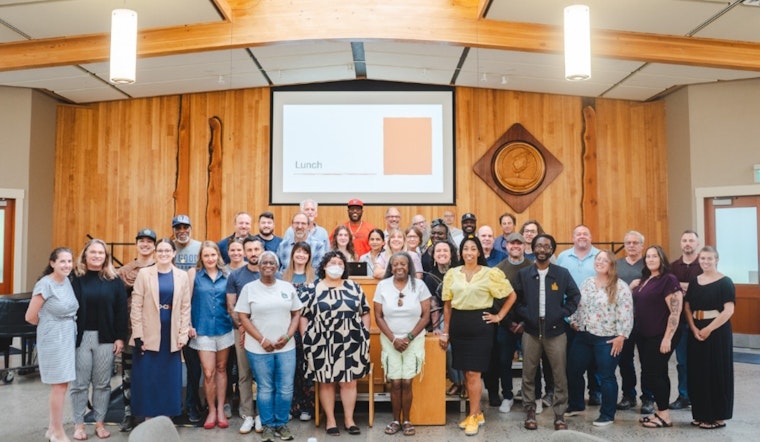
Oregon Housing and Community Services (OHCS), in collaboration with the Corporation for Supportive Housing (CSH), recently celebrated the graduation of seven new project teams from the 2025 Oregon Supportive Housing Institute (SHI). This year's graduates are set to embark on the development of Permanent Supportive Housing (PSH) geared towards the state's most vulnerable populations. These initiatives pair affordable housing with essential supportive services, designed to uplift those in dire need.
In a statement gathered by Oregon Newsroom, OHCS Executive Director Andrea Bell expressed the critical role of housing in economic mobility: "In almost every community in Oregon—rural, suburban, and urban—it is hard to make everyday ends meet. Housing can be a gateway to economic mobility, and yet it is increasingly an economic barrier for many." The institute is a cornerstone of the state’s strategy to promote PSH and so far, 50 teams have been through the program, have opened 570 units, and are developing an additional 490 units across Oregon.
The 2025 SHI cohort brings a swath of diverse projects covering a range of communities and demographics. There are projects honed in on veterans, BIPOC communities, older adults, and those suffering from chronic homelessness. From the rural boundaries of Curry County to the hustle of urban Portland, each endeavor aims to provide tailored solutions that address specific local housing challenges.
Rae Trotta of CSH remarked on the progress, "Thinking back over the now six years of the Oregon Institute, it is such a pleasure to see quality supportive housing whole heartedly embraced across the state. At this point we even see new affordable housing projects prioritizing community centered design which speaks to the powerful and concentric impacts PSH, from project planning to concept, has the field." The projects represented this year range from Adapt Oregon’s Lucky Lane in Brookings to The Father’s Heart and LoveOne's Gant Gardens in Clackamas County, showcasing a concerted effort to bolster community support structures throughout the state.
Expectations are that these projects will transition into development over the next 12 to 24 months, with backing from OHCS and additional funding partners. More information on each project can be gleaned from a video linked by the OHCS, providing insights into the potential impact these housing solutions may hold for Oregon's residents in need.



