

























































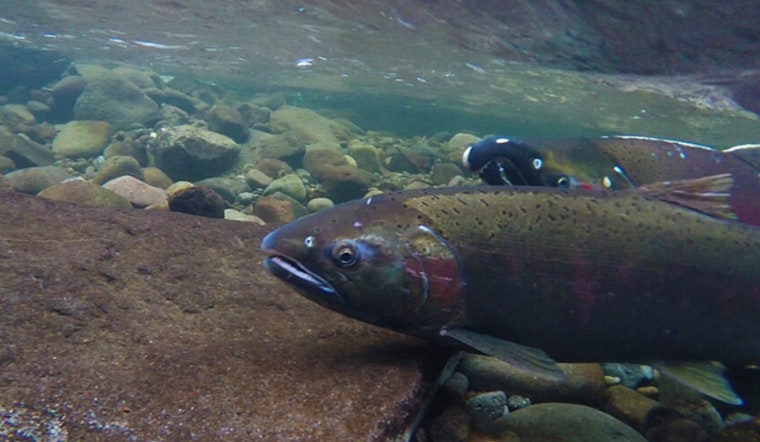
The State of Oregon has revived its legal battle against the federal government concerning the protection of salmon in the Columbia Basin. This move comes after the Trump Administration decided to effectively remove itself from a critical environmental agreement aimed at safeguarding salmon populations, as reported by the Oregon Governor's Office.
According to the state's announcement, the previous accord, which aimed to preserve fish runs and respect tribal treaty rights, is now at risk. Governor Kotek expressed deep concern, declaring, "Extinction of iconic Columbia River salmon runs is not an option; we can have both healthy and abundant fish runs and power to meet our growing energy needs." Kotek called attention to the crisis facing salmon and steelhead runs and pledged to return to federal court seeking an injunction to "operate the hydropower system to help salmon complete their downstream migration next spring."
Under the now-defunct Resilient Columbia Basin Agreement (RCBA), some commitments included both immediate salmon protection measures and a longer-term, 10-year strategy that addressed the impact of hydropower operations and regional energy demands. The agreement emerged from a long history of legal disputes over federal Biological Opinions (BiOps), governing the Columbia River Operating System.
Despite the federal withdrawal, Governor Kotek appears resolute to continue Oregon's environmental stewardship, signing an executive order to uphold obligations under both the Columbia Basin Restoration Initiative (CBRI) and the RCBA. Kotek's administration is determined to join forces with Washington and tribal partners to "pursue healthy salmon runs and a clean energy future," as well as to urge the federal government to reengage in this crucial environmental effort, the Oregon Governor's Office stated.





.jpg)