

























































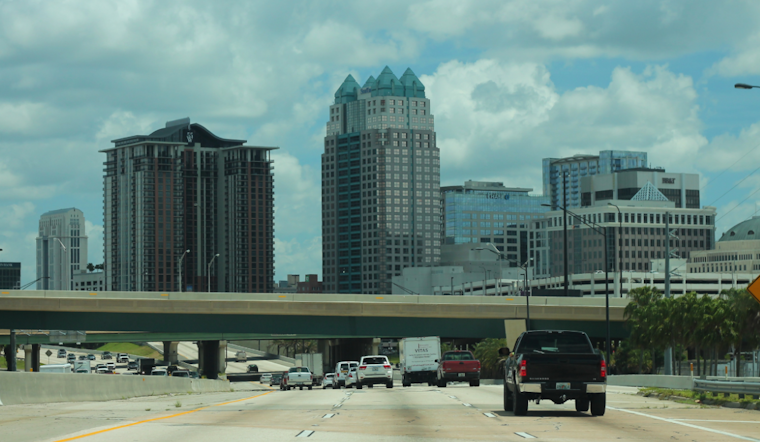
The weather narrative for Orlando has shaped into an advisory of surges and dips, perhaps nowhere more tangibly felt than at its beaches and in its skies. According to a report from the National Weather Service in Melbourne FL, issued early this morning, a persistent trough over the eastern United States is forecast to boost the area's shower and thunderstorm activity through the middle of the week. This weather pattern carries a low risk of excessive rainfall each day, particularly in regions that experience repeated rounds of showers and storms. Readers should brace themselves for increased precipitation while navigating the urban canvas and coastal stretches alike.
Adding complexity to the outdoor excursion equation are the surging onshore winds and building swells, yielding a "HIGH risk for life-threatening rip currents near Cape Canaveral northward," as the National Weather Service cautions. Brevard County and the Treasure Coast brace for a moderate risk of dangerous rip currents. Coupled with the deteriorating surf conditions, authorities are urging waterfront visitors to exercise caution. Marine conditions have also taken a hit, with the Volusia coastal waters facing choppier days ahead. Given these marine conditions, one must heed the warnings with the utmost rigor, never straying from the sharp eye of precaution.
Weather dynamics over the city oscillate with gusty narratives as the low-pressure eye nears the coastline. Areas near Melbourne and northwards are enduring tight pressure gradients, orchestrating breezy gales especially along the coast of Volusia County. The ongoing dance of nature has necessitated monitoring "in the event a Wind Advisory is necessary," the National Weather Service forewarns. The advisory encompasses the potential for winds to clock at around 20 mph, with gusts reaching 25-30 mph along the Volusia coast, while the swell amplifies the rip current peril.
As Melbourne traverses through the week, the tightrope of the pressure gradient relaxes, allowing for a reprieve from the wind's grip, but still clutching a mix of zonal flows and deep moisture. This climatic concerto facilitates above-normal precipitation chances (50-70 percent) into Thursday, then sees a gradual reduction into the weekend as drier air enters the ensemble. Thus, the cape of clouds and rain may soon lift, returning to a semblance of typical Floridian warmth, foreshadowing heat indices potentially tapping beyond the 100°F mark, as per the weather service's discussion.
Finally, the Aviation sector hasn't been left behind, with the tumbling weather profoundly shaping the takeoffs and landings, and newly resolved meso lows influencing operational tempos. Aviation Weather Warnings reflect how the frontal boundary will sag southward and reach the southern Treasure Coast terminals this afternoon, shifting winds to the NE. Flight paths will, doubtless, be prudently etched around such meteorological challenges, aviating attentively to counter the tempestuous whims of the skies.





.jpg)