

























































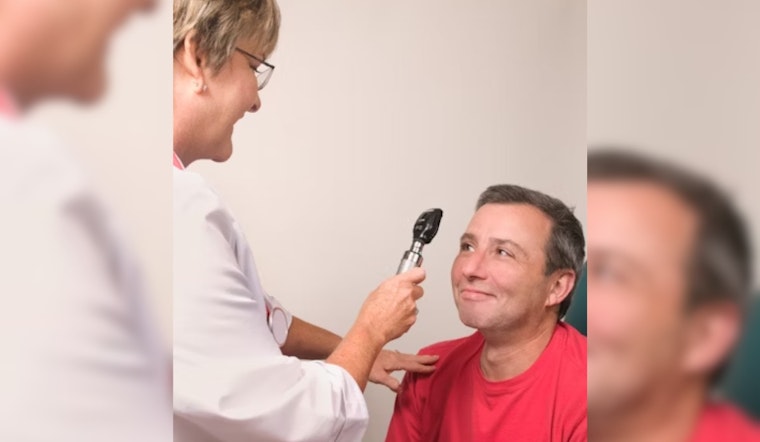
It's a common scenario: a patient walks into a primary care office with eye symptoms that don't quite add up, only to find out they're tied to a more complex condition—thyroid eye disease (TED). According to a report by MedCentral through UC News, managing TED presents a unique set of challenges for primary care physicians (PCPs) due to its unpredictable nature and the lack of TED-specific guidelines for general practitioners, despite their often being the first health care touchpoint for patients with this autoimmune condition.
Given that TED can show up before, with, or after a thyroid disorder is pinpointed, PCPs must be agile in their interim management before specialists step in, and although resources such as the consensus statement by the American Thyroid Association and European Thyroid Association, and EUGOGO guidelines exist, they don't fully address the nitty-gritty of TED in a primary care context—with a limited literature further complicating matters, as this disease can manifest in various forms and at different times, making it a slippery adversary in a primary care setting. "There are limited professional guidelines on TED management tailored explicitly to the primary care physician, partly due to insufficient medical evidence to define their role in the overall management scheme," Dr. Abid Yaqub, professor of clinical medicine and director of the endocrinology fellowship program at the University of Cincinnati College of Medicine, told MedCentral via UC News.
The primary care doctor's involvement in TED management goes beyond initial diagnosis. Dr. Yaqub emphasized the importance of the primary care physician in a patient's long-term care, being part of a multidisciplinary team that includes an endocrinologist and an ophthalmologist, and often engaging with patients at the outset of their autoimmune thyroid disease, suggesting a PCP's role is not peripheral but rather central in the management of diseases like Graves' and Hashimoto’s thyroiditis.
Moreover, Yaqub highlighted that primary care doctors have a critical role in prevention, and as such, they can be pivotal in advocating for lifestyle changes that significantly impact TED outcomes, like advising patients on the benefits of smoking cessation—which he notes is "the most important modifiable risk factor in the causation and progression of TED," according to UC News, this underscores the significant prevention work that can be done in the primary care setting which is often seen as the first line of defense in matters of public health and individual well-being there's an expectation that as medical research evolves and new therapies are introduced, primary care-specific guidance will become more abundant, further empowering PCPs in managing TED effectively.



