

























































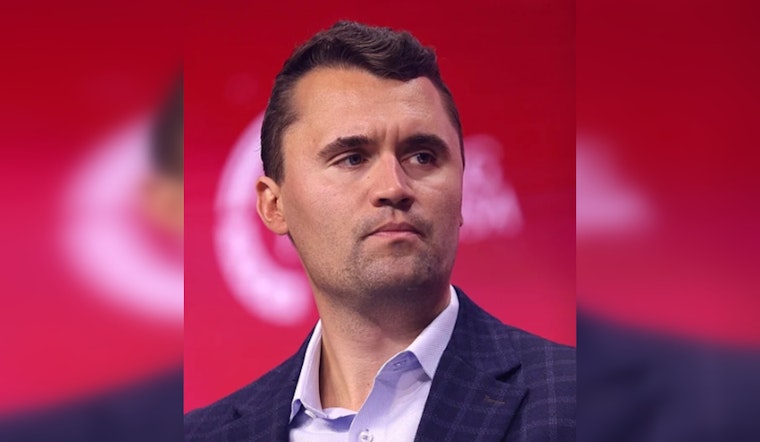
The tragic incident that led to the death of conservative activist Charlie Kirk during an event at Utah Valley University has sparked a significant debate over security measures during public gatherings. Kirk was speaking as part of his "American Comeback Tour" when, as detailed by FOX 10 Phoenix, he was shot by an individual positioned atop a nearby building. The moment, captured on video and dispersed across social media, has left attendees and onlookers questioning the adequacy of security at such events, especially in areas with open campus policies.
"All I could see is him just going limp. Like, I saw the life leave him in that instant, and I knew he was gone," Alicia Smith told FOX 10 Phoenix. With only six police officers present to secure the venue that held nearly 3,000 people, the shooter was able to quickly choose a vantage point and carry out the deadly act, exposing the vulnerability of outdoor events and the challenge of securing them effectively against such threats. Following the shooting, there has been a renewed focus on campus security policies, particularly in light of a Utah law that, since May, has allowed individuals 18 and older with a valid concealed weapon permit to bring firearms onto public college and university grounds.
"You're constantly trying to evaluate the security need versus the freedom on campus. It's a constant balancing act that police chiefs do daily. And sometimes people don't like it," Richard Beary, former police chief at the University of Central Florida, explained to NPR. In the wake of high-profile incidents like the 2016 Pulse nightclub shooting, he recalls how his department had to significantly rethink and overhaul its security strategies for large events.
Amidst this conversation, an undercurrent of concern lingers about the potential impact on free speech, especially in educational institutions that are meant to foster open dialogue and debate. Robert Shibley, special counsel for campus advocacy at the Foundation for Individual Rights and Expression (FIRE), shared with NPR that "violence against speakers strikes at the heart of democratic debate." Shibley went on to express his worry that an increase in violence might set off a dangerous cycle of political retaliation, potentially leading to what some have termed an "assassin's veto."




.jpg)