

























































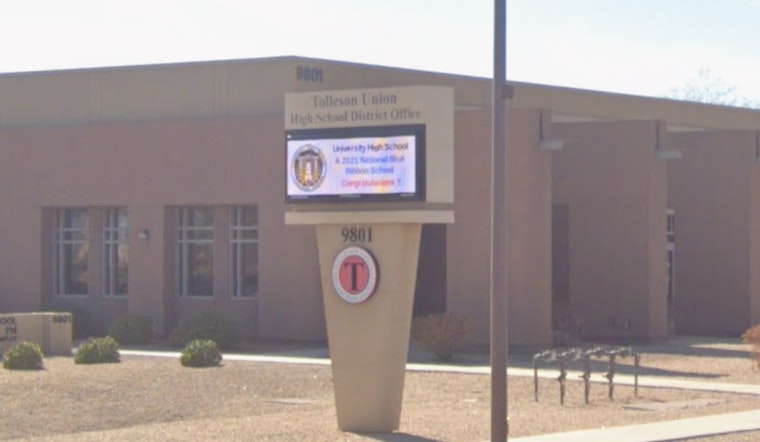
In a move that is generating waves across the state, the Tolleson Union High School District has become the first public school district in Arizona to outright refuse a request from the legislature for basic financial records. This defiance strikes at the core of transparency and the public's right to understand how their tax dollars are being utilized within the school system. According to a release by the Arizona Legislature, the request for two years of financial transaction records, including all purchase orders, was made by Joint Legislative Audit Committee Co-Chairman Matt Gress on August 26, following a hearing on district finances in July.
However, instead of providing the requested information, the Tolleson Union High School District has set a hefty price tag on the quest for clarity—demanding more than $26,000 in fees for accessing these electronic records. The district has admitted that the fees are pegged high with an intent to discourage such requests. This stance flies in the face of state laws that stipulate fees can only be applied to cover the actual costs of copying or mailing records, and certainly not for creating electronic copies or as a deterrent to oversight. Representative Gress addressed the issue in a follow-up letter on September 17, but this plea was met with what he describes as hostility.
The district's reluctance to comply without imposing massive fees has sparked controversy and concerns about the potential erosion of governmental transparency. "In my experience, it is unprecedented for an Arizona public entity to demand that the State pay for public records or to assert that it can withhold electronic records," Gress stated, according to the documents obtained by the Arizona Legislature. He also noted that "Exporting purchase orders from financial software is simple, and other districts have complied quickly." By blocking these records, the district not only withholds essential financial information from lawmakers, who require it for assessing and proposing reforms, but it also potentially sets a "dangerous and unacceptable precedent."
Gress’ concerns extend beyond the district's current actions, as he finds the involvement—or potential involvement—of the Attorney General’s Office to be particularly troubling. He underscores previous instances where Attorney General Mayes had provided records to the Legislature, even when her office was the subject of review. "It would be deeply troubling for her office to advise a district to withhold documents from legislative oversight," Gress said in the statement on the Arizona Legislature. He fears that such advice could significantly undermine Arizona's laws designed to ensure transparency and accountability.


