

























































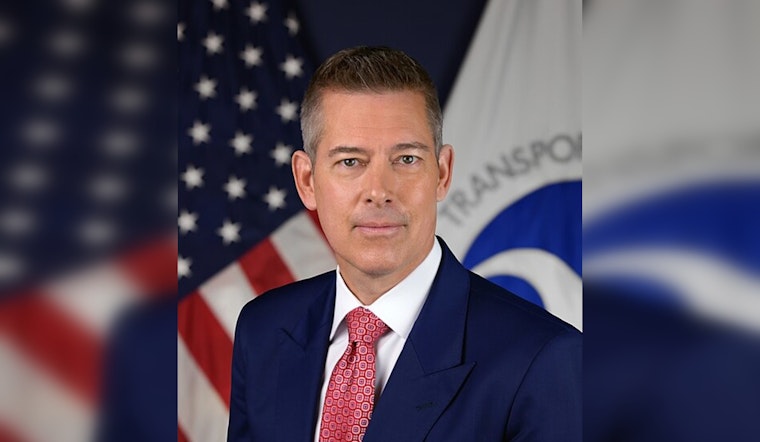
In a move that sharply delineates the contours of what 'America First' means in the skies, U.S. Transportation Secretary Sean P. Duffy has pulled the plug on Delta and Aeromexico's joint venture agreement, citing Mexico's failure to adhere to the 2015 U.S.-Mexico Air Transport Agreement. As reported by the U.S. Department of Transportation, the conditional approval and antitrust immunity once granted to this international alliance have been decisively revoked.
The joint venture, which has allowed Delta and Aeromexico to closely coordinate on pricing, capacity, and revenue-sharing, has until January 1, 2026, to wind down. This unwinds a longstanding partnership, recalibrating the competitive landscape and ostensibly protecting the interests of American carriers and consumers. The airlines will continue to rely on less integrated forms of partnership, such as codesharing and marketing efforts, the Department confirmed. These arms-length activities are standard in the industry and do not require antitrust immunity.
This enforcement action unfolds against a backdrop of discontent. Mexico had reportedly rescinded airport slots and required U.S. all-cargo carriers to relocate operations since 2022, a maneuver ascribed to facilitating necessary construction at Benito Juarez International Airport—a project which has notably failed to materialize. This has, according to the Department, breached the bilateral agreement and shifted undue financial burdens onto the shoulders of American enterprises.
The Trump administration signals this may be the beginning rather than the end of its aggressive positioning. Other countries with lax adherence to air transport agreements are under scrutiny, with focus honed on European States to possibly enforce the Balanced Approach process for noise abatement. “Empty promises mean nothing. After years of taking advantage of the U.S. and our carriers, we need to see definitive action by Mexico that levels the playing field and restores fairness,” Secretary Duffy asserted, promising a level playing field within the global aviation market, as noted by the U.S. Department of Transportation.





