

























































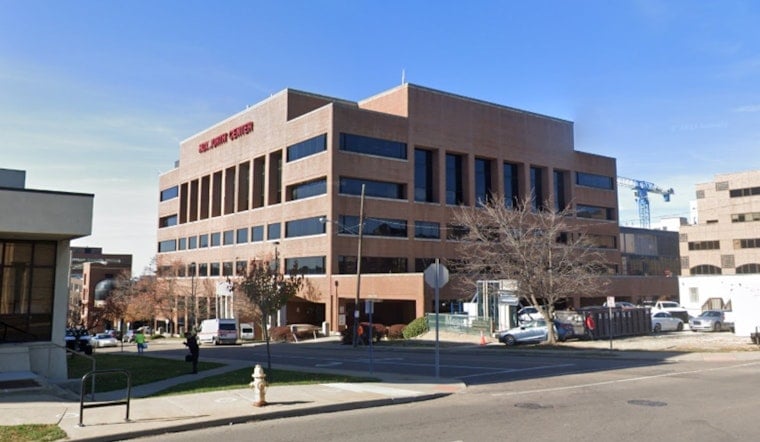
UC Health in Cincinnati has launched a state-of-the-art facility dedicated to adults with developmental disabilities, as announced in a recent unveiling that happened on September 9. The Timothy Freeman, MD, Center for Developmental Disabilities, following a $6 million expansion, is now a hub for specialized care for individuals with Down syndrome, autism, and similar conditions, all under one roof—something unique for the Greater Cincinnati area.
Marking a significant leap forward for healthcare provision, the expansion adds real muscle to the existing services. The center along Victory Parkway was celebrated with the community's joy, evidenced by the palpable excitement during the ribbon-cutting observed by UC's official announcement. The initiative garnered support from state and federal funding sources, philanthropic efforts that raised more than $2.3 million, as well as the unwavering support from advocates like the National Down Syndrome Society (NDSS).
Providing a quote to UC's news team, Cory Shaw, the president and CEO of UC Health, stressed the importance of the center by saying, “This is about closing a gap that has existed far too long.” He articulated the plight of hundreds of adults in the region who have struggled without comprehensive care and saw the Freeman Center as a means to remove this long-standing barrier.
The new facility represents not just physical expansion but also an acknowledgment and address of a need that was overlooked for far too often in the health care sector. Renders of the center show a modern and bright space designed to foster wellness and accessibility. Each working in their respective fields, doctors, nurses, and specialist therapists at the Freeman Center, united by a common goal, will now work collaboratively to provide customized interventions that prioritize the individual needs of their patients.




