

























































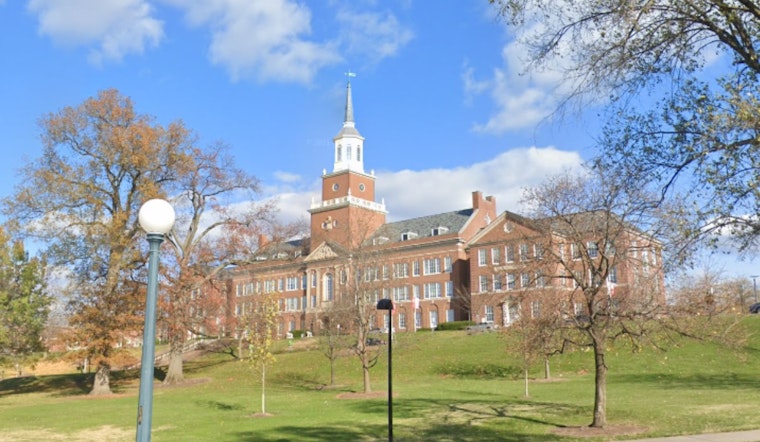
The late George Rieveschl, a University of Cincinnati professor turned pioneering chemist, has posthumously received national honors for his invention of the antihistamine Benadryl, as reported by the University of Cincinnati's official news outlet. Benadryl, which has offered countless millions relief from allergies and colds, now stands among 100 other scientific breakthroughs recognized by the American Chemical Society with its prestigious National Historic Chemical Landmark status.
In a ceremony that underscores both the personal legacy of Rieveschl and the broader influences of chemistry in everyday life, Dorothy Phillips, an alumna of UC and the first African American woman to earn a doctoral degree in biochemistry at the university, honored Benadryl's contribution she was joined by Silvia Jurisson and Diane Schmidt, past presidents of the American Chemical Society and also UC alumni, it was a gathering of minds that have shaped the advancements we oftentimes take for granted. Reflecting on the significance of this recognition, "This recognition celebrates the legacy of Benadryl, George Rieveschl and the University of Cincinnati and the enduring impact of chemistry on our lives," Phillips said, as the University of Cincinnati's article notes.
The historic designation comes as a reaffirmation of the profound difference one university and its affiliated intellectuals have made in the pursuit of scientific frontiers. Benadryl's journey from a lab-based compound to a household name traces back to the mid-20th century, becoming the first FDA-approved antihistamine to hit the market and subsequently make a significant impact on public health.
Phillips shed light on the essence of scientific progress and innovation during the ceremony, noting the merits of long-term vision, patience, and the courage to pursue the unknown, "Progress takes time, it takes vision and it takes people who are willing to see possibilities, even when the outcome is uncertain," an ethos captured in her statement provided by the University of Cincinnati, the event not only celebrated a pivotal scientific discovery but also honored the interconnected web of scholars whose shared alma mater continues to foster a culture of groundbreaking research and discovery.




