

























































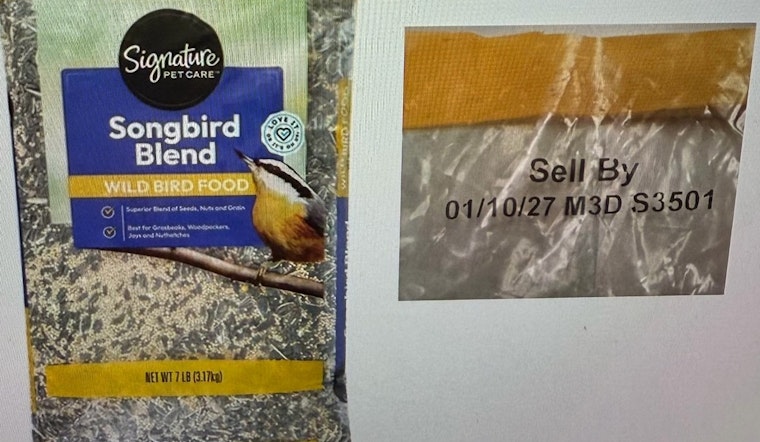
In a joint effort to curb an ecological threat, the Washington State Department of Agriculture (WSDA) and the Oregon Department of Agriculture (ODA) have alerted the public to a recall of a popular bird feed brand. The product in question, Signature Pet Care Songbird Blend Wild Bird Food 7 LB, has been tied to the unwanted propagation of Palmer amaranth, an invasive and noxious weed. Consumers in Washington and Oregon might want to check their recent purchases — the recalled birdseed, packaged with UPC 021130037629 and a sell-by date code of 01/10/2027, was sold at Albertsons, Safeway, and Haggen stores.
Known for its resiliency and rapid growth, Palmer amaranth poses a significant risk to agricultural lands and native ecosystems. Once ensconced, the plant can grow more than 10 feet tall, resist many forms of herbicides, and a single specimen can produce an enormous seed bank. The implications for regional farmers are severe: potential crop choke out and ballooning costs for weed management. The WSDA and ODA are taking action following one employee's discovery of the weed growing in a Safeway parking lot, which apparently sprouted from birdseed spread onsite. Subsequent tests confirmed the presence of Palmer amaranth in the feed.
Retailers carrying the identified batch, Albertsons, Safeway, and Haggen, have since pulled the product from shelves in cooperation with the recall initiative spearheaded by Global Harvest Foods. The move by these stores is aimed at preventing further spread of the invasive plant and minimizing its environmental impact. Consumers in possession of this birdseed are advised to halt its use immediately and follow specific remediation steps provided by the agriculture departments.
According to the ODA, customers should remove any seed left in bird feeders, return unused portions to the store for a refund, and dispose of any loose seed by double-bagging it and sending it to the trash — definitely not the compost bin. After removing and disposing of any sprouted plants, cleaning bird feeders meticulously is also recommended by the agencies. Detailed identification information for Palmer amaranth is available through the WSDA's Palmer Amaranth Pest Alert online.





