

























































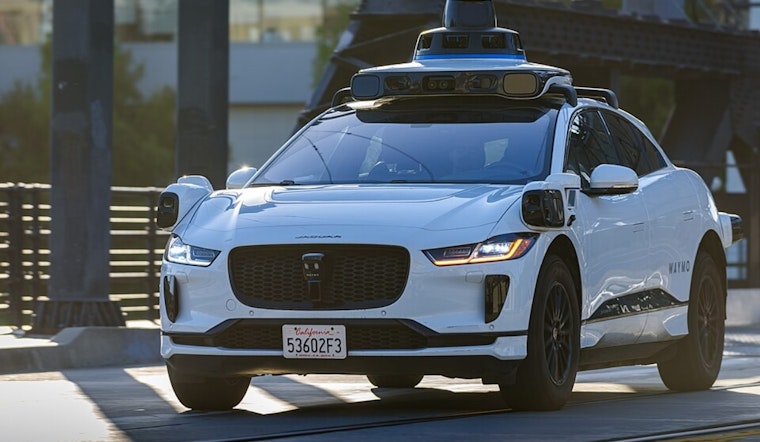
Mayor Daniel Lurie just handed Waymo the keys to San Francisco International Airport—literally. The tech-friendly mayor's latest autonomous vehicle deal marks another milestone in his aggressive robotaxi expansion campaign, with the Google-owned company securing a coveted permit to begin testing operations at the Bay Area's busiest airport.
The announcement Tuesday caps off months of behind-the-scenes negotiations that weren't always smooth sailing. This is the same airport that once sent Waymo a "harshly worded cease-and-desist letter," according to The SF Standard. Now they're rolling out the red carpet.
Three-Phase Flight Plan
Waymo's SFO rollout reads like a carefully choreographed tech launch. Phase one starts with human safety drivers babysitting the autonomous vehicles around airport roadways—think training wheels for robots. Phase two graduates to fully autonomous operations, but only for SFO and Waymo employees. The grand finale? Commercial passenger service for everyone else, though no one's saying exactly when that'll happen.
The demand is already there. The San Francisco Chronicle reports that over 13,000 people searched for "SFO" in the Waymo app during December alone, with nearly 700 installing the app while physically at the airport. That's some serious robotaxi FOMO.
The Long Road to the Runway
This victory comes six months after Lurie first gave Waymo permission to map SFO roadways back in March. That initial 30-day mapping permit was like a first date—careful, supervised, and with strict no-passenger rules. The relationship between Waymo and SFO has been rocky since talks began in 2023, featuring "rejection notes" and "contentious contract negotiations" that read more like a corporate soap opera than a business deal.
But Lurie's administration has been relentlessly pro-Waymo from the start. The mayor's office is framing this latest permit as part of broader economic recovery efforts, especially with the Bay Area gearing up to host Super Bowl LX and FIFA World Cup games next year. Those events are expected to bring over 500,000 visitors to the region—prime robotaxi territory.
Kiss & Fly, Then Ride Away
When commercial service eventually launches, passengers will initially use SFO's Kiss & Fly area for pickups and drop-offs, requiring an AirTrain connection to reach terminals. It's not exactly curbside service, but it's a start. KQED notes that Waymo plans to explore additional airport locations down the line.
The timing couldn't be better for Waymo's expansion ambitions. A July 2024 company survey found 89% of Bay Area riders want to use the service for airport runs—that's the kind of market research that makes executives salivate.
Market Street Redux
The SFO permit is just the latest chapter in Lurie's Waymo love affair. Back in April, the mayor welcomed autonomous vehicles to Market Street, ending five years of car-free policies on the city's main thoroughfare. That decision sparked serious controversy among transit advocates and competing rideshare companies, with Uber and Lyft officials feeling completely shut out of the process.
But Lurie isn't backing down. His administration has positioned autonomous vehicles as both an economic development tool and a tourist attraction that reinforces San Francisco's innovative reputation. "Across San Francisco, we are expanding safe, reliable, and modern transportation options," Lurie stated in Tuesday's announcement, using the kind of tech-speak that makes startup founders weep with joy.
Playing Nice with the Unions
One smart move in Lurie's playbook: getting organized labor on board. Mission Local reported that Teamsters Local 856 praised the "commonsense implementation for this technology that takes into account safety and jobs." That's union-speak for "we're not going to fight you on this one"—a crucial win for any mayor trying to modernize transportation.
The permit comes with strict safety and reporting requirements, including the need for further airport approval before paid passenger service begins. It's regulatory theater, but the kind that keeps everyone happy.
California Airport Race
SFO becomes the second California airport to welcome Waymo, following San José Mineta International Airport's recent approval for commercial service later this year. Waymo has been operating at Phoenix Sky Harbor since 2022, so they've got the airport playbook down.
Tesla's Playing Catch-Up
Of course, Waymo isn't the only robotaxi game in town anymore. Tesla rolled out its own "robotaxi" service in the Bay Area this summer, though calling it truly autonomous is generous—there's still a human safety driver behind the wheel. The service launched initially for Tesla employees only but has since opened to the public, offering rides at bargain prices that make Waymo look expensive.
The competition got real when The SF Standard staged an epic robotaxi race from SoMa to Jackson Square. The result? Waymo won by four minutes, despite Tesla's $5.80 fare undercutting Waymo's $20.36 price tag. Tesla's wider coverage area includes freeways and extends to Marin and San Jose, but when it comes to navigating San Francisco's urban maze, the Google-owned veteran still has the edge.
For Lurie, who's been riding historically high approval ratings during his first year in office, this represents another win in reshaping San Francisco's transportation landscape. The mayor who promised to bring "everyone to the table" has clearly decided that includes robots—and the tech industry couldn't be happier about it.
No timeline has been announced for when SFO's three-phase rollout will actually put paying passengers in driverless cars. TechCrunch reports that Waymo will begin testing "very soon" but declined to get specific about subsequent phases. In the meantime, San Francisco continues its march toward becoming the world's first truly autonomous city—one permit at a time.
All systems go at @flySFO! We’ve been approved by the airport to begin operations, and will start testing soon. More here: https://t.co/0SGUdcl3sj pic.twitter.com/BTfmuhfr8Z
— Waymo (@Waymo) September 16, 2025





