

























































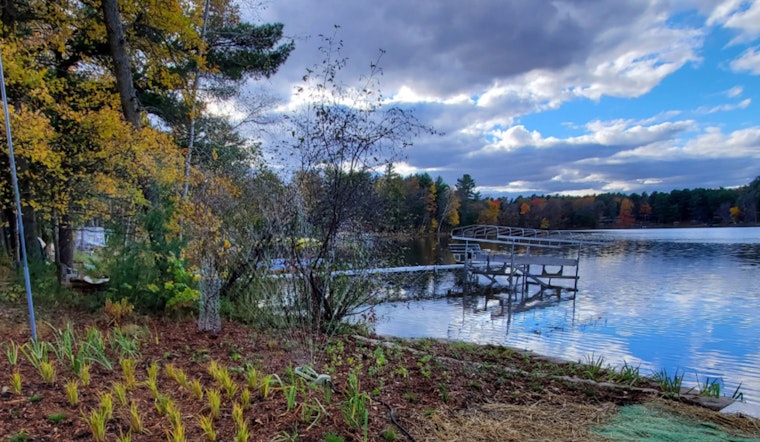
Marking a decade of dedication to Wisconsin's aquatic habitats, the Healthy Lakes & Rivers initiative is basking in the light of a significant anniversary. Launched back in 2015, this statewide endeavor is a combined effort with the Wisconsin Lakes and Rivers Partnership, striving to bolster the health of Wisconsin's waters through the engagement of property owners in eco-friendly projects focused on habitat restoration and the mitigation of runoff and erosion, as reported by the Wisconsin Department of Natural Resources.
With a suite of five budget-friendly best practices, including fish sticks (not the frozen kind but arrangements of trees to encourage aquatic life), native plantings along the shorelines, water diversion tactics, rock infiltration strategies and the creation of rain gardens, the initiative delivers tangible methods for locals to preserve their waterscapes – these strategies offer solutions without breaking the bank, and have been collectively embraced as a lifeline for the state’s bodies of water. As per the release from the Wisconsin Department of Natural Resources, Secretary Karen Hyun touted the uniqueness of this program, pointing out that "Wisconsin is unique in that it has a statewide shoreline health initiative and funding to help shoreland property owners take action to create habitat and improve water quality."
This grassroots initiative underscores a collective responsibility towards water conservation, fostering an alliance between individual actions and broader conservation goals. Wisconsin Department of Natural Resources program extends a hand, equipped with funding and guidance to property owners eager to take the reins in this crucial environmental battle, the turning point comes when isolated efforts unify into a relentless wave of change, preserving the aquatic gems of Wisconsin for future generations.
In the spirit of collective effort and the pursuit of a sustainable environmental legacy, the state's agency advocates for these accessible practices, which while inexpensive significantly impact Wisconsin's waters. "You can apply inexpensive and simple best practices on your shoreland property, and together we can protect our waters for generations to come," Hyun is quoted in the Wisconsin Department of Natural Resources release, affirming the power of individual actions coalescing into a shield against ecological decline.





