

























































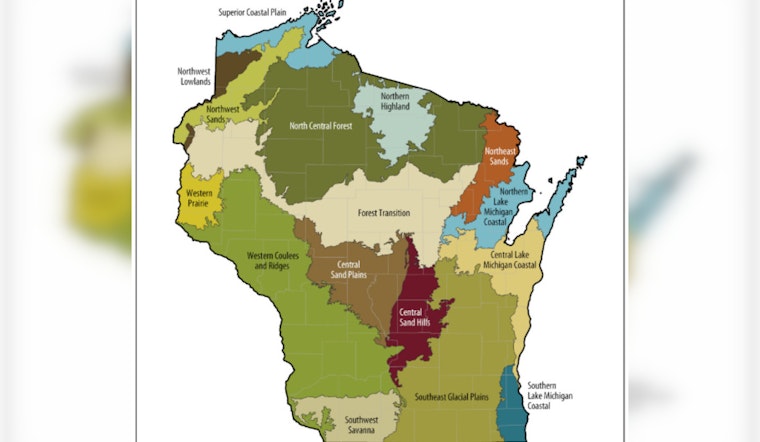
The Wisconsin Department of Natural Resources has laid out its game plan for the state's ecosystems with the release of the 2026-27 Biennial Habitat Work Plan, a strategic blueprint that underlines the state's commitment to its habitats and the wildlife that thrives within. As reported by the Wisconsin Department of Natural Resources, the plan comes packed with a host of initiatives ranging from prescribed burning, invasive species control, to enhancements of wetlands, positioning the DNR as a pivotal player in conservation albeit with a modest land ownership footprint in Wisconsin.
During the August gathering of the Natural Resources Board, Wisconsin Department of Natural Resources staff unveiled this dense compilation of proposed habitat actions, reflecting a humble yet potent influence on the land they steward, recognizing the work they do on their lands makes a real difference, and some have the best, and in some cases the only, habitat for key fish, wildlife and plant species. "While the department owns a relatively small proportion of total land in Wisconsin, the work we do on our lands makes a real difference," Eric Lobner, DNR Fish, Wildlife and Parks Division Administrator, said in a statement that underscores the importance of these efforts, collaborations, and the ecological mosaic that pieces together the state's diverse landscapes.
The Wisconsin Department of Natural Resources overarching goal is ambitious yet clear; they aim to protect, restore, and boost habitats to back sustainable fish, wildlife, and plant populations. Such endeavors are not self-sustaining as they demand funding, sourced primarily through the sale of fishing and hunting licenses, and patronage from federal Sportfish and Wildlife Restoration grants which are themselves fueled by excise taxes on hunting and fishing paraphernalia.
As every dollar counts in the relentless quest for ecological harmony, Wisconsin's residents are presented with the opportunity to contribute to this green mission each time they snap up a Wisconsin Department of Natural Resources hunting, trapping or fishing license, with donations filtering into the Cherish Wisconsin Outdoors Fund, a public-private synergy woven between the Wisconsin Department of Natural Resources and the Natural Resources Foundation of Wisconsin since 2012. This fund stands as a testament to the collective care for lands and waters cherished by outdoor enthusiasts, and for those driven to do more than just donate, they can literally dive in by checking out the Volunteer Opportunities webpage and assist with efforts on local Fish or Wildlife Areas.
According to the Wisconsin Department of Natural Resources, the proposed work for fiscal years 26-27 is thorough and reflects the department's dedication to ecological stewardship. This call to arms isn't just a solo clarion; it's an invitation for all who hold Wisconsin’s natural beauty dear to contribute in preserving the legacy of the state's land, waterways, and the myriad of life that calls it home.


