

























































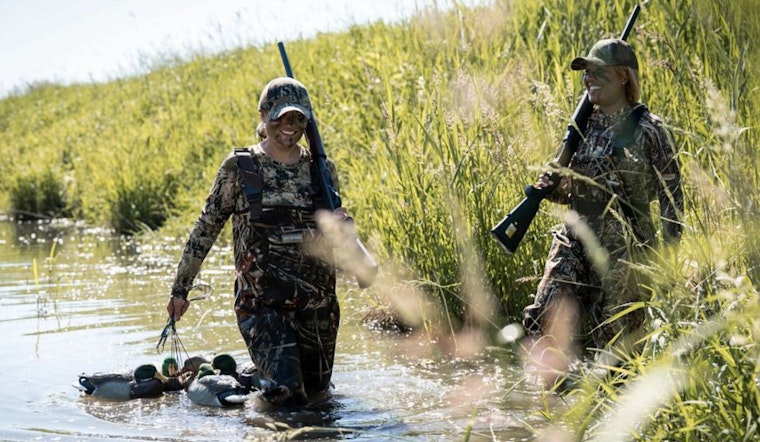
The Wisconsin Department of Natural Resources has announced the start of the regular goose and duck hunting seasons this September, with varying dates across different zones throughout the state. As the season for waterfowl hunting is upon us, hunters are encouraged to check their calendars and review regulations, bag limits, and health advisories in preparation for the opening days. As per the Wisconsin Department of Natural Resources, the Northern Zone for goose hunting begins on September 16 and extends until December 16, whereas hunters in the Southern and Mississippi Zones have scheduled breaks within their season which runs until January 2, 2026.
Hunting enthusiasts keen on pursuing Canada geese must be aware that the initial daily bag limit is three birds, but will be bumped up to five during the holiday hunt in specified zones. According to the Wisconsin Department of Natural Resources statement, a Regular Canada goose permit is essential for those involved in this seasonal activity. The Southern Zone's duck season will open on October 4 to the 12th and resume from October 18 to December 7, aligning with the careful orchestration of conservation efforts and sport.
Duck hunters are able to bag a total of six ducks daily, with specific limits on mallards, pintail, wood ducks, black ducks, redheads, and canvasbacks to ensure a sustainable hunting practice. The Wisconsin Department of Natural Resources specifies a daily bag limit for scaup as well, which shifts within the season in accordance with the Northern, Southern, and Open Water Zones. The Wisconsin Department of Natural Resources urges hunters to equip themselves with the relevant licenses, stamps, and to enroll in the Harvest Information Program which helps in monitoring bird populations and the success of harvests.
Given the risk of Highly Pathogenic Avian Influenza (HPAI), the Wisconsin Department of Natural Resources advises against handling sick or deceased birds and suggests wearing rubber gloves when handling game. Cooked to an internal temperature of 165 degrees Fahrenheit, game meat remains safe to eat despite the HPAI scare, as the Wisconsin Department of Natural Resources guidelines state. With a PFAS advisory in effect for mallards and wood ducks harvested on Green Bay, hunters are reminded to stay informed on current advisories for the safety of both themselves and the wider community.
Waterfowl hunting in Wisconsin is a treasured tradition that balances recreational opportunity with ecological stewardship. As hunters set out to enjoy the season, adherence to the Wisconsin Department of Natural Resources regulations and health precautions ensures that this practice remains both enjoyable and responsible for all involved.





