

























































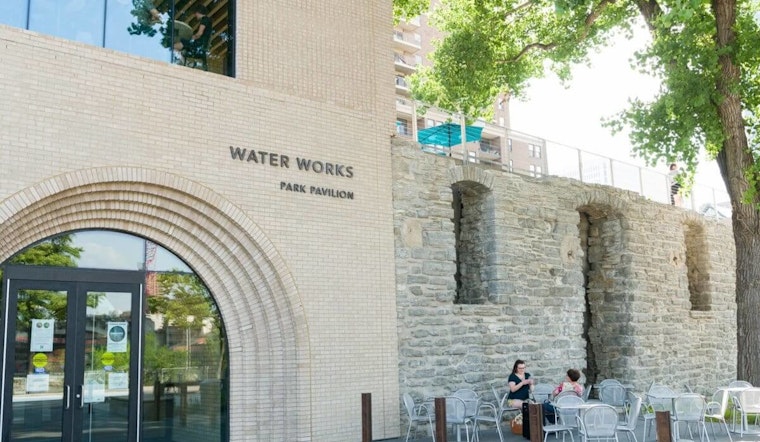
The popular Indigenous restaurant Owamni has made waves in the culinary world since its opening in 2021 at the Water Works Pavilion, but diners will need to seek out its acclaimed dishes at a new location come spring 2026. According to a recent announcement by the Minneapolis Park and Recreation Board, the James Beard Award-winning establishment decided not to renew its lease, choosing to upscale to a larger venue to accommodate its growing popularity.
In the interim, the Minneapolis Park and Recreation Board stated they are now seeking a new restaurant to fill the now-soon-to-be-vacant riverside space with an RFP (Request for Proposals) scheduled for publication this fall. They aim to have the successor in place by summer 2026. Al Bangoura, the Superintendent of the Park Board, expressed pride in hosting Owamni, "We’re proud to have played a role in the launch of such a unique and important restaurant," he told Minneapolis Park and Recreation Board, reflecting on the restaurant's impact on the area and its historical significance, specifically appreciating founder and chef Sean Sherman and his team's efforts.
Owamni's significance as an award-winning Indigenous restaurant that received the James Beard Foundation Award for Best New Restaurant in 2022 isn't underestimated; it broadened the culinary landscape and highlighted the rich history of its location, all while serving a fusion of traditional Indigenous foods. The restaurant's departure presents both a challenging void to fill and an appetizing opportunity for ambitious restaurateurs.
Details on the RFP process suggest a winter review and interview period for the proposals by a team of MPRB staff; however, those interested in staying informed on the process should keep an eye on the MPRB Business Opportunities page and sign up for email updates, as outlined in the same release. The Water Works Pavilion, located at the prime real estate of 425 West River Parkway, encompasses deeply intertwined layers of history from the area, featuring remnants of embattled mills and the nostalgic architecture of the Fuji Ya Restaurant era, adding a unique narrative to whoever takes on the restaurant space next.
As the Minneapolis dining scene readjusts to Owamni's upcoming relocation, one thing remains clear – the place set a high bar for what it means to be an integral piece of the local community's fabric. Whoever moves into the vacated space will not only inherit a location steeped in history but also the challenge to continue the legacy of cuisine with a connection to the place that Owamni established.




