

























































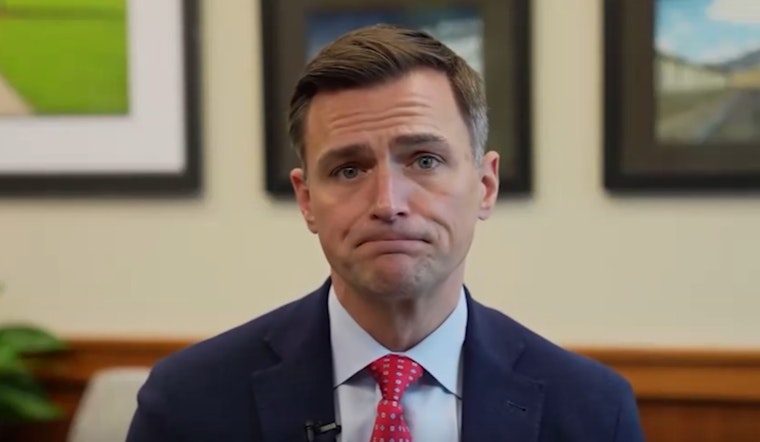
Attorney General Dan Rayfield has taken legal action against the Trump administration, along with a sizable force of 21 other attorneys general and three governors. They're bringing a lawsuit directly to the USDA and its Secretary Brooke Rollins, who are under fire for the halting of SNAP benefits—benefits that are a lifeline for over 40 million people in America to purchase food amidst the ongoing federal government shutdown. "This isn’t complicated – people need to eat," Rayfield was quoted as saying in an Oregon Department of Justice statement.
With the start of the new federal fiscal year on October 1, and without an appropriation from Congress to fund the federal government, we're looking at a government shutdown. Followed by the USDA's communication on October 10 about there being insufficient funds to cover November SNAP benefits, the whole situation looks dire. However, reports suggest the USDA isn't exactly out of pocket—with billions tucked away in contingency funds specifically appropriated by Congress for emergencies like this. The big question is, why does USDA keep its hands tied when it comes to SNAP, despite funding other programs during the shutdown?
Oregonians are feeling the weight of this decision heavily, with one in six of state’s residents relying on SNAP. This includes over 214,000 children and 130,000 elderly adults. Any kind of delay in their SNAP benefits isn't just a small inconvenience; it's about real people facing real hunger. And it's not just about food—it's about the economy of Oregon's rural communities, their grocery stores, their small businesses, and their farms that depend on those SNAP dollars.
States might run the show locally for SNAP, but the USDA's federal role is vital. It funds and determines the program's monthly benefit amounts. When it comes to law and what's seen as arbitrary and capricious under the Administrative Procedure Act, suspending SNAP benefits just doesn't cut it. Congress has been clear; SNAP is supposed to press on even when the government isn't. The lawsuit also aims to get the courts to issue a temporary restraining order, demanding that benefits be turned back on stat.
Rayfield isn't standing alone in this fight. Joining the fray are attorneys general from undeniably affected states, including Arizona, California, and New York, just to name a few. Governors from Kansas, Kentucky, and Pennsylvania have allied with this effort as well, showcasing a band of leaders uniting for a common cause—ringing the alarm on the USDA's current inaction and what they deem an illegal withholding of food security from millions.





