

























































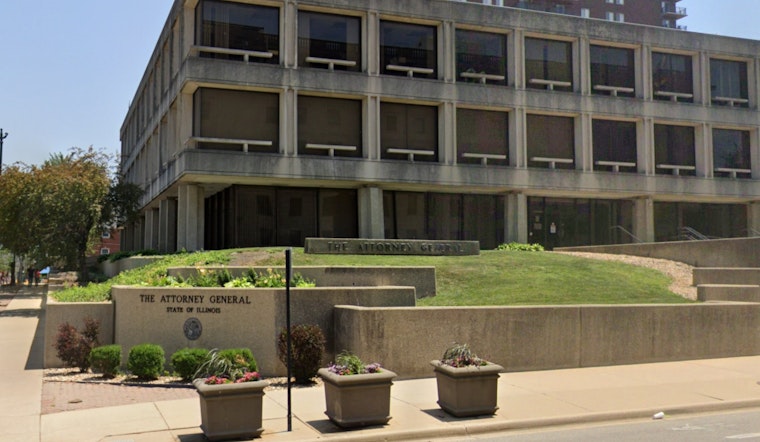
Attorney General Kwame Raoul, spearheading a coalition of 23 attorneys general, has made an advance towards the Supreme Court, urging a review of a significant court decision that could change the way individuals engage with the Voting Rights Act (VRA). In what could be a pivotal moment for voter rights, the group filed an amicus brief in support of the Turtle Mountain Band of Chippewa Indians v. Howe. This brief defends individuals' rights to file lawsuits under Section 2 of the VRA—a crucial provision designed to safeguard Americans from racial discrimination at the polls.
According to details shared by the Illinois Attorney General's office, Raoul highlighted the half-century success story of the VRA in ensuring unobstructed access to the ballot. “For decades, the Voting Rights Act has ensured access to the ballot box has not been restricted or obstructed based on discrimination,” Raoul stated. The pursuit here is not just about protecting a legacy, but a response to a controversial ruling by the 8th Circuit Court that upended established norms by negating the precedent that allowed individuals and organizations to utilize Section 2 for challenging suspected discriminatory voting practices.
It was pointed out in the amicus brief that depending solely on the U.S. attorney general's office to enforce Section 2 of the law, as suggested by the 8th Circuit's interpretation, would be an inadequate measure in the defense of voter rights. Indeed, individuals and private groups have initiated over 90% of all Section 2 challenges between 1982 and 2024. With federally brought cases averaging less than three a year, it's clear to these attorneys general that eliminating personal legal recourse would severely handicap the act's enforcement.
The coalition's argument, laid out in the brief, underscores an essential tenet—enforcement of Section 2 should not be susceptible to the shifting winds of politics inherent to a single federal office. In the brief obtained by the Illinois Attorney General's office, Raoul and the coalition express concerns about leaving the fate of an entire civil right in the hands of any one official. They point to the urgency often attached to Section 2 challenges, as these are usually tied to imminent elections, where delays could render any legal victories effectively moot.
Furthermore, there's emphasis on the deterrent power offered by allowing private rights of action. By removing these, there's a fear that state and local officials might have less incentive to ensure compliance with the VRA when developing policies.
Raoul's coalition, a patchwork of legal leaders from states including, but not limited to, Arizona, California, Colorado, and New York, demonstrates a united front against what is seen as an unwelcome limitation on voters' rights to challenge racial discrimination in the voting process—a bastion of the democratic system. Their plea is now before the high court, which temporarily halted the 8th Circuit’s ruling and will decide whether to hear the case fully.



