

























































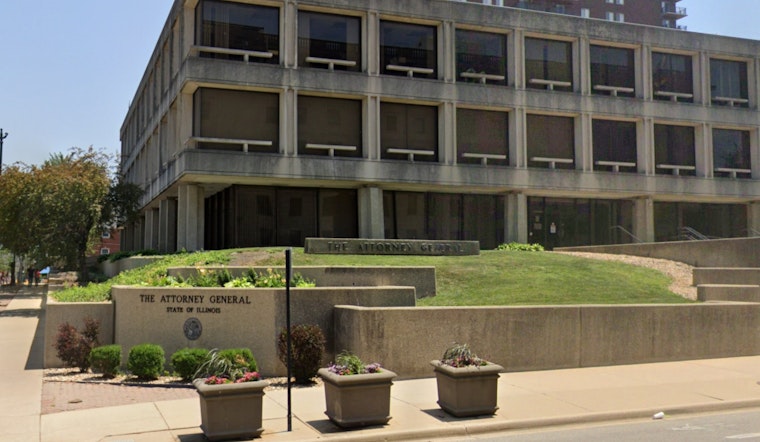
Attorney General Kwame Raoul is pushing back against the Department of Homeland Security's (DHS) plan to impose new limits on international student visas, a move he's made in concert with a coalition of 15 other attorneys general. The group argues that the proposed changes, which would cap visas at a fixed four-year period and add red tape to school transfers and program switches, would harm U.S. colleges and economically penalize the nation. In the words of Raoul, "Welcoming international students to our colleges and universities creates a more enriching educational environment for all students", a sentiment he expressed in opposition to what he sees as a policy that would, "unnecessarily burden international students and ultimately make our country less competitive on the global stage," as reported by the Illinois Attorney General's office.
Statistically, the four-year limit does not align with the education journey of most college students, who often take longer than four years to graduate, while graduate and doctoral candidates may need upward of seven years. The necessity for extensions in these cases would introduce a bureaucratic hurdle that could disrupt academic pursuits. Raoul and the coalition have highlighted the potential financial impact, pointing to a DHS estimate that indicates the rule could cost U.S. institutions about $90 million; NAFSA Association of International Educators has already projected a $7 billion loss and 60,000 job cuts due to existing visa restrictions, CalEconomy at risk due to decrease in tuition revenues that could result from fewer international students enrolling.
Under the proposed rule, DHS wants to shift from the current flexible policy that requires students to maintain full-time enrollment to one imposing a rigid four-year visa limit, curtailing their grace period for departure from 60 to 30 days, and necessitating DHS approval for school changes. DHS's argument for the rule, aimed at combating fraud, has been contested by the attorney generals' coalition as an approach that doesn't convincingly address the purported issue and instead increases barriers and risks of deportation for students. These constraints are feared to dissuade international scholars from seeking education in the U.S., adding unnecessary layers of bureaucratic tape in the process.
The economic forecasts are grim, with Raoul cautioning that Illinois could see a diminution in course offerings, student services, academic supports, and housing services, which could resonate beyond just the international student body but also for American students. The attorney general points out the fundamental risks associated with this proposal: an emaciated economy and the devaluation of the robust educational structure that has long drawn students worldwide. The attorneys general have decried the proposal as being "arbitrary and capricious" and an infringement of the Administrative Procedure Act, and they've criticized the insufficient 30-day period given for public comment on the proposed rule. Joining Illinois' Raoul in the chorus of opposition are attorneys general from an alliance that spans from sea to shining sea — including California, Colorado, Connecticut, to New York, Nevada, and Washington — diverse voices united in their apprehension about tomorrow's potential eroding of today's educational prosperity.





