

























































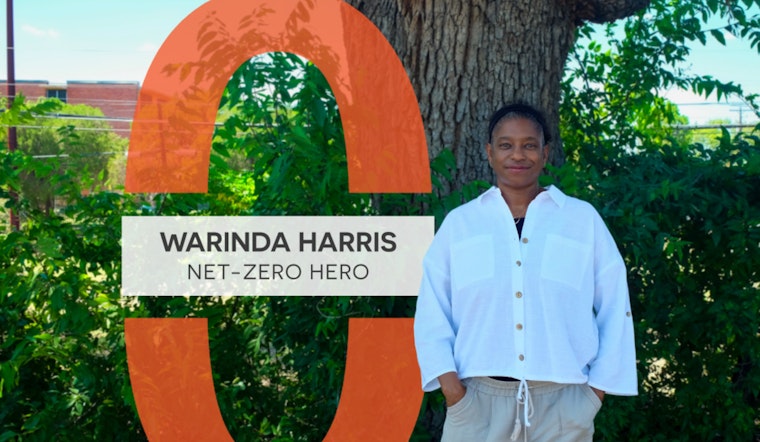
In a move to push for a more equitable and sustainable Austin, local champion Warinda Harris has been recognized for her contributions that resonate deeply with the city's aim to achieve net-zero emissions. According to the City of Austin's official website, Harris has been instrumental in propelling park equity forward, especially in the historically underserved communities of East and South Austin. Her affiliation with Central Texas Interfaith (CTI) allows her to engage directly with residents, giving them a role in the transformation of their neighborhoods into greener spaces.
Central Texas Interfaith's engagement in environmental equity endeavors is part of a larger effort, the national People, Parks, and Power initiative, an essential gear in the machine striving for a fairer distribution of green spaces in urban areas. Harris's efforts highlight the disparities between communities, with conversations stirring projects that range from local park renovations to substantial grants shaping the future landscape. Through her work, residents who once faced barriers interacting with public spaces now find themselves navigating these challenges, albeit not without their share of struggles—the low confidence in institutions proving to be a recurring thorn.
What makes Harris’s approach noteworthy is her emphasis on storytelling as a catalyst for change. She advocates for community members to share their personal experiences, which, in her eyes, are powerful tools for policy change. She revealed to the City of Austin officials and in community gatherings, "We bring them into a community with other leaders who will be impacted by their stories and who have their own to share." This collaborative ethos is shaping the way Austinites interact with the city's plans and initiatives, including the Austin Climate Equity Plan.
Indeed, the partnership with Huston-Tillotson University students has already borne fruit; it has led to the development of new green spaces where diversity and inclusivity are not just buzzwords but living realities. The involvement of architectural students from the Design Workshop Foundation solidifies the bridge between theoretical constructs and tangible, community-driven advancements. And in the face of adversity, such as widespread disenchantment with societal institutions, Harris reveals a tenacity rooted in patience and a focus on interpersonal engagements, "We do it one conversation at a time, one house meeting at a time," she told the City of Austin's official website.
For those inspired by Warinda Harris and the ecological strides made in Austin, resources like "City in a Garden" and "The Color of Law" come highly recommended for further reading. These tools, combined with community action and Harris’s lead, continue to paint a progressively greener and more inclusive Austin.





