

























































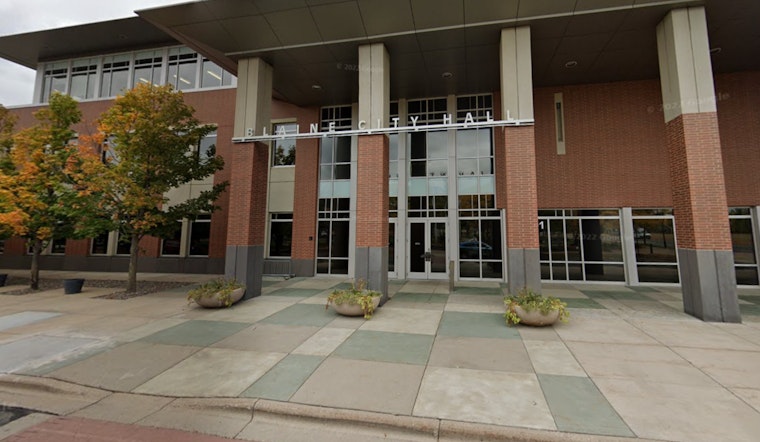
Blaine City Council has green-lighted a significant zoning change in the area, a move from quaint suburbia to commercial buzz. The shift will see properties previously zoned for single-family homes transition to a designation allowing for community commercial development. As reported by a city announcement, the newly approved Ordinance 25-2588 marks the transition of Lot 1 and Lot 2, Block 1, Uram from Single Family Residential (R-1) to Community Commercial (B-2).
This change comes at a time when the City of Blaine has seen increased pressure to grow and diversify its economic landscape. As evident in the ordinance, section 3 hands the baton to the City Manager to update the Official Zoning Map to reflect the newly sanctioned changes. The decision, formally introduced on October 6th, takes a definitive step towards reshaping the area's development potential. Although residents and stakeholders alike are waiting to see how this amendment will shape the community's fabric, and balance the scales of growth against the small-town charm that has long characterized Blaine.
The shift from R-1 to B-2 could mean a slew of new businesses, offering job opportunities and a bolstered tax base, but it also raises questions about the increased traffic, noise, and possible displacement of current residents. The complexity of such a transformation is palpable, simmering with the promise of economic vitality and the peril of unforeseen consequences.
The drive behind this rezoning reflects an understanding of the long game: a resilient and diverse economy often demands such spaces of commerce and community. In the words of the ordinance, the City Manager is "hereby directed to make the appropriate changes in the Official Zoning Map of the City of Blaine to reflect and show the changes in zoning classification as set forth above." This move, while largely administrative, sets in motion a series of actions that could redefine the city's structure and skyline in the years to come.




