

























































Controversy continues to swirl around the tactics used by federal immigration agents in Chicago, with recent events drawing further scrutiny from a federal judge. Judge Sara Ellis, who last week issued a temporary restraining order aimed to curb the use of chemical agents by agents, expressed "serious concerns" over noncompliance with her directive. According to a report by NBC 5 Chicago, Ellis has now ordered federal agents to begin wearing body cameras, despite pushback from the U.S. government's representative, who indicated that this might pose logistical challenges.
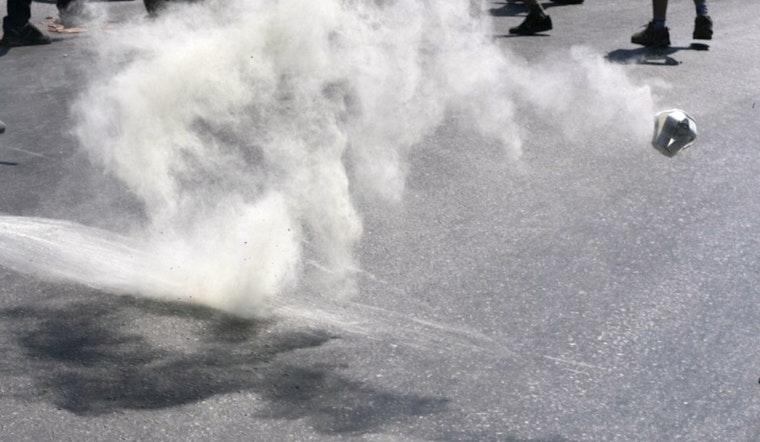
The tensions arose from incidents, like the one in Albany Park, where Chicagoans gathered to protest President Trump's immigration policies and came under what many felt was excessive and unwarned use of tear gas. The judge's actions strived to somewhat alter this dynamic, demanding direct answers from ICE officials. As reported by Chicago Sun-Times, Ellis forthrightly addressed a Trump administration lawyer, stating, "I'm not blind," in reference to recent events that indicate possible violations of her order.
In accordance with Ellis's latest decision, ICE officials are to explain the use of tear gas and the absence of warnings before deployment in a courtroom appearance. This move was received positively by Illinois Governor JB Pritzker who supported the judge's demand for body cameras on agents, saying, "They put out a press release immediately at Homeland Security that doesn’t reflect the truth, and it’s hard for us to know right away what the truth is." Pritzker's comments highlight a broader issue of transparency and accountability in law enforcement.
Despite resistance from the government's attorney, who argued that the body camera program could not be quickly implemented due to logistical and financial constraints, Judge Ellis pressed on. "There’s, you know, a simple way to not have to do that though, right?" she stated, making it clear that she expected adherence to her orders. A former ICE chief of staff in the Biden administration noted that a previous body camera pilot program was discontinued after Trump took office, an action that adds another layer to the current enforcement controversy. Meanwhile, plaintiffs in the case, including several media organizations, have accused officers of using violence and tear gas indiscriminately—claims the administration denies, according to the same Chicago Sun-Times report.
Public attention remains fixed on the upcoming hearing where ICE's Chicago field director is expected to clarify the actions taken by agents on the ground. With the spotlight on Ellis's courtroom, the stage is set for what many hope will be a step toward more accountability and a curtailment of aggressive tactics in immigration enforcement.





