

























































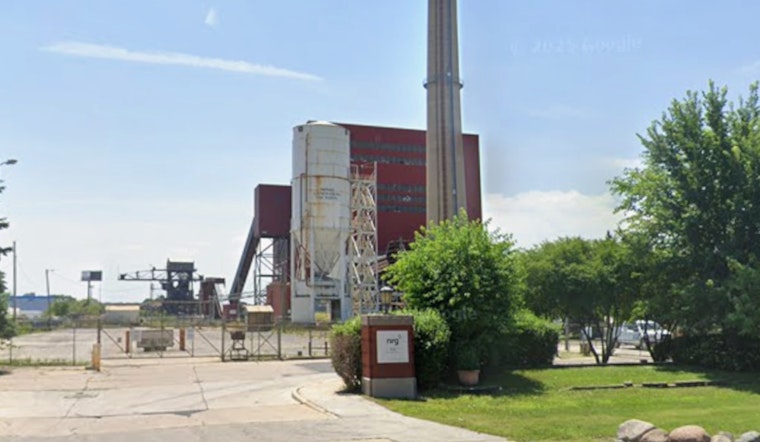
Residents of Chicago's Pilsen neighborhood are confronting the potential environmental ramifications of a coal plant demolition, with Ald. Byron Sigcho-Lopez voiced concerns about the impact on community health and the local alderperson demanding transparency before any work proceeds. According to the Chicago Sun-Times, Sigcho-Lopez (25th) is calling for a stop to the demolition permits at the historic Fisk coal-fired power plant until there is clarity on the future use of the site and assurance on environmental safety measures.
Meanwhile, environmental concerns are not just confined to Pilsen, as the nearby Damen Silos in the Southwest Side are undergoing demolition as well. Community activists have formed their own surveillance networks, keeping a watchful eye on the demolition process. The Chicago Department of Public Health (CDPH) had to issue a temporary stop-work order recently after inspectors noticed dust at the site. However, the demolition has since resumed, with city officials confident in their dust mitigation strategies, Inside Climate News reports.
At the Fisk site, residents are evidently wary of the potential hazards from demolishing structures that have stood for over a century, with community groups demanding detailed environmental impact reports and stringent dust-control protocols. Rose Gomez, an activist with Pilsen Environmental Rights and Reform Organization, has been adamant that no demolition permits should be granted without satisfying these demands, an assertion echoed by Sigcho-Lopez's stance.
In the struggle for environmental justice, echoes of past demolition fiascos filter through the consciousness of the communities affected. The botched implosion of the Crawford coal plant in Little Village in 2020, which blanketed the community in dust, serves as a stark reminder and a rallying point. Per the demands of activists like Gomez, extensive soil testing should precede any approved city action, yet city officials were unavailable to comment on these requests, as noted by the Chicago Sun-Times.
Back at the Damen Silos site, the monitoring extends beyond the land to the adjacent waterways, with environmentalists sounding the alarm over the risk of demolition debris contaminating the river. Urban Rivers, a local organization, is tapping into the expertise of Northwestern University researchers to analyze water quality amid the operations. Despite the U.S. Army Corps of Engineers' assurances of no illicit discharge spotted, Kate Eakin of the McKinley Park Development Council highlights the need for proactive measures to prevent potential ecological damage, as she told Inside Climate News.
As Chicago grapples with the twin challenges in Pilsen and on the Southwest Side, the narrative emerging from these neighborhoods is one of vigilant oversight and community engagement. The endeavors to balance developmental priorities with environmental and public health considerations are shaping up to be a notable chapter in the city's ongoing dialogue about its industrial legacy and future.





