

























































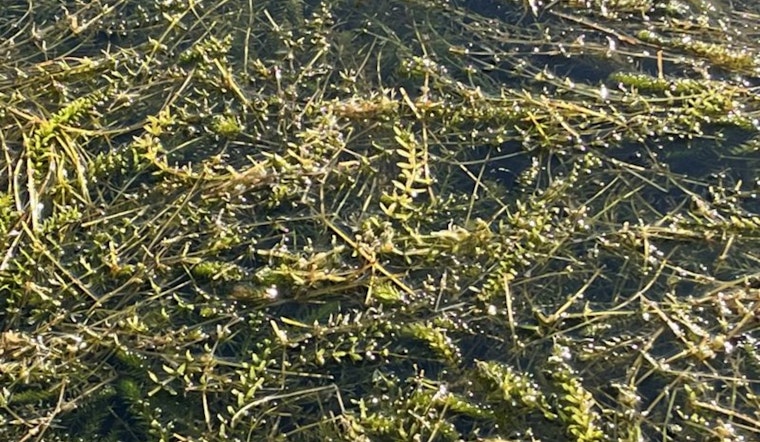
In an effort to curb the rampant growth of hydrilla, a troublesome aquatic weed, the City of Austin is gearing up to introduce more sterile grass carp into Lake Austin this fall, with official plans announced to address the surge that has seen the invasive plant cover roughly 30% of the lake, a significant rise from the less than 5% coverage reported in June.
The preferred meal of grass carp is hydrilla, and they represent the most environmentally friendly option to tackle this issue, now Austin aims to deploy these aquatic grazers at a rate of five per acre of hydrilla, it aims not only to cut back the problematic plant but also to minimize the impact on native plant species, despite the concerning growth, which, according to a September survey conducted by Texas Parks and Wildlife, found 456 acres swarming with hydrilla nearing the over 500 acres peak seen back in 2012 and 2013. Moreover, the current total vegetation in Lake Austin stands close to 40%, teetering on the higher end of what is advised for supporting healthy aquatic life, with 20 to 40% being the ideal range.
While hydrilla does offer some benefits for fish habitats and water quality, its accelerated growth rates pose a real threat both to Lake Austin's ecosystem and the wider community. Handling this resilient interloper requires a nuanced approach and patience.
Local residents have discussed options like reducing the water level temporary in hopes of managing the hydrilla spread, a technique that has proven effective against Eurasian watermilfoil, another invasive species, however, evidence suggests this could actually worsen the hydrilla problem by eliminating rival plant species which could, in turn, lead to more aggressive expansion of hydrilla, this side effect alongside the benefit of facilitating shoreline maintenance means no definitive course of action has been cemented. Hydrilla originated from Asia and has been a consistent nuisance since its introduction to the U.S. in the 1960s, and its presence in Lake Austin, since 1999, has led to a long learning curve of management over the past quarter-century, with the focus on slowing its growth and reducing its impact on the lake's environment, which remains a valued community asset.
Those enjoying Lake Austin's resources can help combat the proliferation of non-native species like hydrilla and zebra mussels by cleaning, draining, and drying their boats and gear, avoiding areas heavily infested with underwater plants and ensuring not to discard plant fragments back into the water, which could result in fines up to $2,000 per plant, as noted by the City of Austin's official report.




