

























































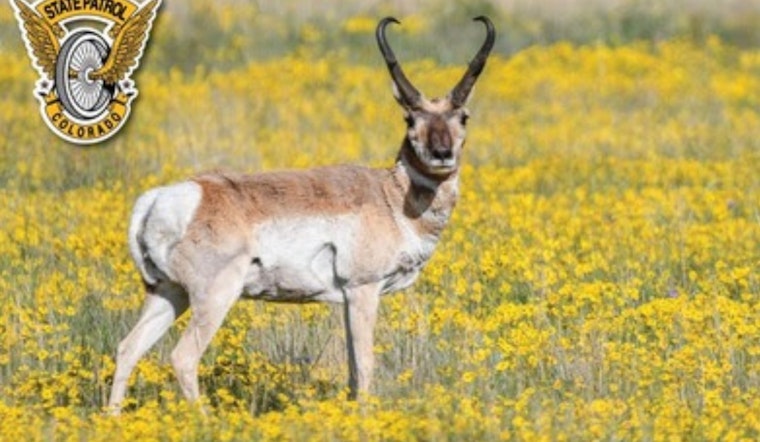
As winter approaches, Colorado's wildlife is on the move, triggering an increase in wildlife-vehicle collisions. The Colorado State Patrol has highlighted the surge in incidents typically seen during the colder months, when animals journey to lower elevations and search for mates. "Last year troopers responded to 3,777 crashes involving wildlife, with October, November, and December as the most active months," says Col. Matthew C. Packard, chief of the Colorado State Patrol. This activity coincides with decreased visibility during the evening and early morning hours, making roadways more hazardous.
Colorado Parks and Wildlife identifies several hotspots for collisions, including stretches on Interstate 70, US 285, and Highway 160, among others. High-risk areas are not confined to a singular zone, with Col. Packard noting, "Whether it is elk in the high country or pronghorn on the plains, there is no area of our state that doesn't have wildlife," as per Colorado State Patrol. The message underscored by both agencies is clear: drivers must remain vigilant, reducing distractions and adhering to speed limits to improve safety for all.
An unfortunate consequence of these collisions is not only the vehicle damage that often occurs, but also the grim reality that the animals typically do not survive the impact. The advice handed down from authorities is to drive at posted speed limits and to further slow down when visibility is compromised. These measures have been shown to be the most effective strategies for reducing the likelihood and severity of wildlife-related accidents on the road.





