

























































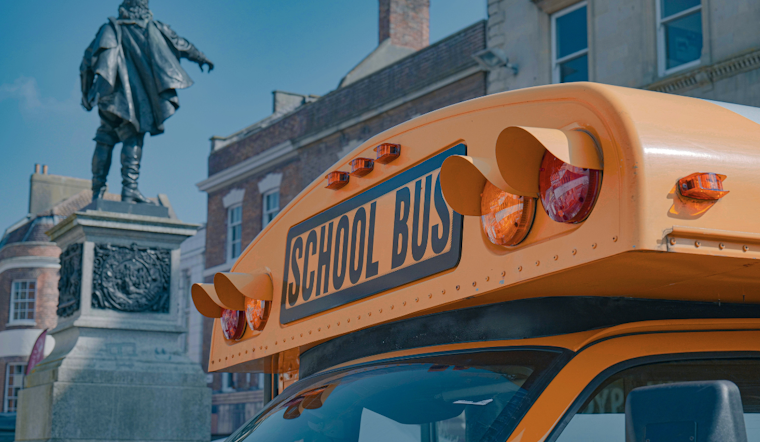
The fiscal landscape of Columbus City Schools is marked by a looming $50 million shortfall, compelling the Board of Education to consider difficult cuts, with transportation for high schoolers poised as a prime target. A staggering $16 million could be slashed from the budget if such measures are taken. As reported by WBNS, the board's pressured decisions on these cuts are expected next month, while the community watches, bated breath, rallying around our future's most indispensable - the students.
Transportation, though, represents a slice of the quandary. Other options for downsizing include merging schools like Como, Duxberry, Everett, and Fairwood, with five facilities already on the closure docket. "It is not something that any of us at this table or throughout our organization take lightly at all,” Board President Michael Cole explicated to ABC6. The district aims to stretch resources, maintaining educational quality amidst this pecuniary strait.
Amidst this budget shortfall saga, the officials have yet to seal the fate of the district's busing system. Previously, in October, the board voted to remove the obligation to provide bus transportation for high school students, but stopped short of fully implementing the change. According to The Columbus Dispatch, administrators have suggested continuing busing solely for K-8 students in 100% lottery-based schools. This move alone could potentially salvage $8.7 million and cut the need for 91 buses, a saving grace in a time of financial disarray.
The district champions a "lottery" system, a cornerstone that provides students with access to specialty schools like the World Language Middle School and Columbus Alternative High School. Nearly 20,000 aspirants vie for these spots yearly, signaling the program's allure and undeniable significance. However, families of K-8 students not attending fully-lottery schools could soon shoulder the responsibility of transportation, should the board give the green light to administrators' recommendations. Despite the heavy-hearted nature of these discussions, the board remains committed to a narrow path defined by prudence and the overarching commitment to its student body’s educational welfare.





