

























































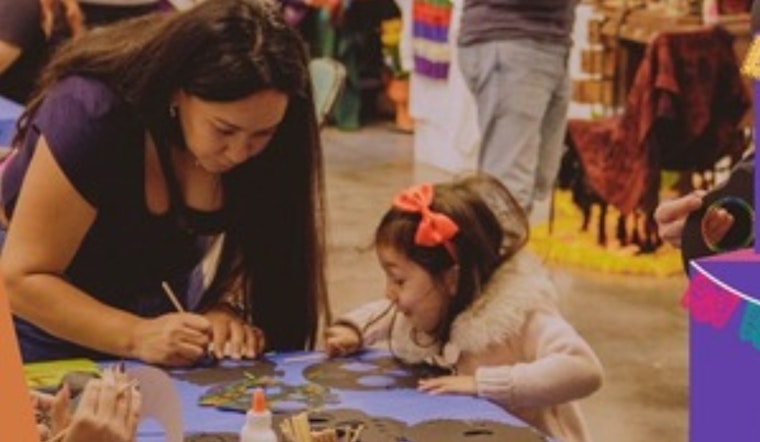
The Día de los Muertos tradition continues to thrive in the heart of Dallas, with the Latino Cultural Center hosting a festival on November 1st that's set to bring the community together in a celebration of life, culture, and remembrance. From 11:00 AM to 4:00 PM, attendees can expect a day brimming with art activities, live performances, and local vendors showcasing their goods, according to the City of Dallas.
But life isn't the only thing being celebrated—Día de los Muertos is about remembrance. On that note, beautiful community altars will stand on display, creating a mosaic of memories and tributes to loved ones passed. Visitors can wander and wonder at these personal creations, each altar offering an intimate glance into stories and traditions handed down through generations. Free of charge, the festival and accompanying Altar Exhibition from November 1 through November 14 are there for all to experience during regular center hours.
In alignment with the ethos of unity, this family-friendly event is free of charge and open to the public, beckoning anyone looking to immerse themselves in the vibrant tapestry of cultural heritage that Día de los Muertos weaves. The event's emphasis on artistic expression and communal connection is a hallmark of the celebration—a sentiment echoed by the Latino Cultural Center's spotlight on the collaborative nature of the altars.
Emphasizing the soul of this festivity is the Altar Exhibition. Running till mid-November, it allows visitors to bask even longer in the heartwarming glow of remembrance, long after the festival music has faded. Community members who have crafted their altars bring forth a tapestry of love and memory, interlaced with the colorful strands of cultural pride, as reported by the center's bulletin. These altars symbolize the enduring connections across time and space, honoring those who have shaped their creators' lives.





