

























































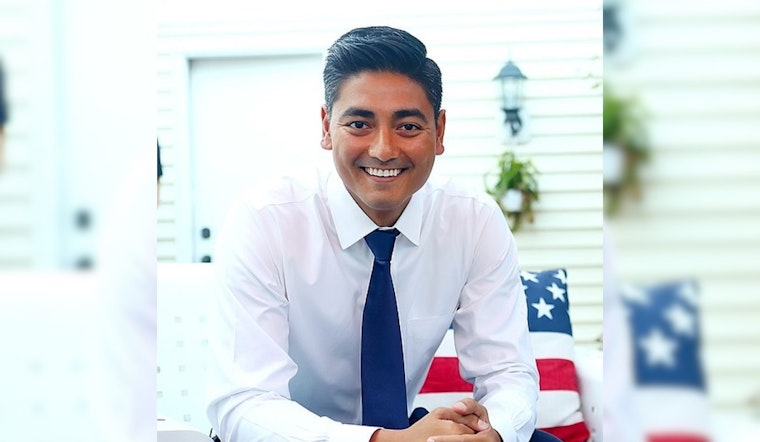
Thursday night's mayoral debate in Cincinnati turned intense as incumbent Mayor Aftab Pureval and Republican challenger Cory Bowman sparred over issues including crime, city development, and the ongoing government shutdown. The conversation, often tinged with the heat of political division, began with questions on policing strategies and ways to make city streets safer, stemming from recent incidents like a downtown brawl. As reported by WLWT, the focus on public safety underlined the debate's core concerns.
Bowman took the moment to sharply criticize current policies, labeling speed humps a "Band-Aid" for proper law enforcement and condemning non-pursuit laws, which, in his view, embolden speeding drivers. Moreover, Mayor Pureval did not rule out possibly raising income taxes, whereas Bowman pledged to "never push on any tax increase." These stances were highlighted during a rapid-fire round that culminated the night's debate, according to information from WCPO.
In a particularly spicy exchange, as captured by The Enquirer, Pureval condemned Bowman and some of his followers as "MAGA extremists," an accusation that provoked audible boos from Bowman's corner of the room. Pureval's direct comments came amid the city's history of heavily leaning Democratic in presidential elections. He stated, "I don't know why the audience is booing the fact that he represents MAGA. I mean, you either support the Trump agenda or you don't. You can't run for mayor and not be concerned with the federal employees who are getting fired, not be concerned with the racializing of our own public safety challenges here in our community."
The candidates also presented their closing statements, each lasting two-and-a-half minutes, outlining the priorities of their respective campaigns. While areas of agreement were scarce, both candidates took the opportunity to try to resonate with voters on the topics of crime and taxation, possibly laying the final chess pieces in what can be a decisive debate. As the battle for the mayoral seat in Cincinnati continues to unfold, the impact of these discussions on the forthcoming election remains to be seen, with constituents weighing their options in the intersection of local governance and broader political ideologies.



