

























































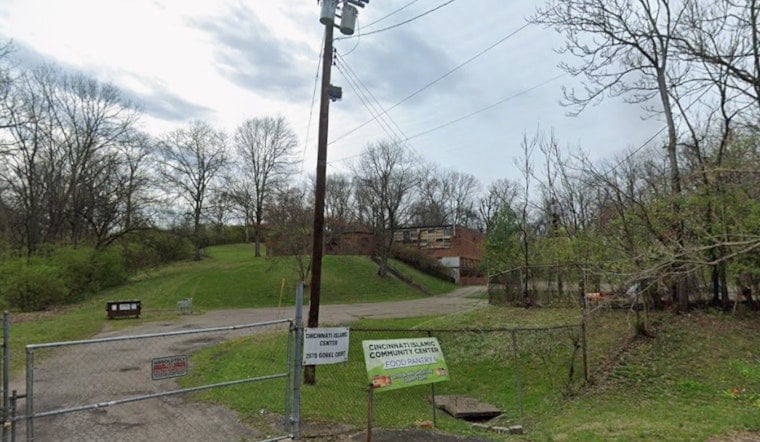
A break-in at the Cincinnati Islamic Community Center in Westwood left board members reeling this week after thieves made off with food, cash, and a handful of televisions from the building. Amid the theft, whoever broke in also left a hateful message on a whiteboard inside the center that included the word "die," according to board members who discovered the damage Monday.
Board members told WCPO 9 Cincinnati that the intrusion appeared carefully planned rather than impulsive. Nashid Shakir, speaking for the center, said the people responsible may need help, and that leaders would rather identify them and persuade them not to repeat the act than simply see them punished.
Community Leaders Voice Hurt and Disappointment
Ali-Rashid Abdullah described the break-in as hurtful, per the same report, saying he was disappointed by what happened at a place meant to serve the neighborhood. Neither man's account, as relayed to the station, suggested the perpetrators had been identified as of this week.
The intrusion also tore through the center's food pantry, with thieves ransacking shelves and taking canned goods meant for neighbors in need. The pantry, at 2570 Gobel Court, serves residents in the 45211 and 45225 ZIP codes and typically distributes food twice a month, according to a public food distribution listing on Facebook.
Prior Break-Ins Prompt New Security Cameras
This is not the center's first run-in with a break-in, and leaders say the latest theft of food, cash and TVs has pushed them to plan new security cameras meant to deter thieves from returning.
Shakir said the goal now is finding whoever is responsible and steering them away from repeating the act, the outlet's report noted. Cincinnati police are investigating the break-in, though no arrests had been announced as of this week.
Potential Legal Consequences for a Bias-Motivated Crime
Because the vandalism targeted a house of worship, the case could draw scrutiny beyond a standard criminal mischief charge. Intentionally defacing or damaging religious property because of its religious character is a federal offense, according to the U.S. House Office of the Law Revision Counsel, with penalties ranging from fines to decades in prison depending on the harm caused. Locally, the Cincinnati Police Department follows bias-incident response guidelines under Procedure 12.417, which call for specialized evidence collection when a crime appears motivated by racial, religious, or ethnic animus, per the City of Cincinnati.
Ohio does not have a standalone hate crime law, but prosecutors can lean on the state's ethnic intimidation statute to bump charges like criminal damaging or menacing up one degree when bias is proven, according to the Ohio Legislative Service Commission. State law separately allows victims of criminal damaging or ethnic intimidation to pursue civil lawsuits seeking compensatory and punitive damages plus attorney fees, per the same commission.
National Surge in Anti-Muslim Bias Incidents
The Westwood incident lands amid a documented rise in anti-Muslim bias nationwide. The Council on American-Islamic Relations reported receiving 8,683 anti-Muslim discrimination and bias complaints in 2025, the highest single-year total in the organization's 30-year history, including 555 direct hate incidents and 33 incidents specifically targeting mosques and other Islamic institutions, according to CAIR.
Law enforcement agencies nationwide documented 2,699 religiously motivated hate crime incidents in 2023, including 236 cases flagged as anti-Muslim bias, per data reported by the U.S. Department of Justice. Amid that climate, the Department of Homeland Security and FEMA have offered grants of up to $200,000 per site to help faith-based nonprofits and houses of worship install cameras, access controls and other security upgrades, according to FEMA.
Westwood's Deep Roots on Cincinnati's West Side
The Cincinnati Islamic Community Center sits in Westwood, Cincinnati's largest neighborhood by both land area and population, spanning more than 5.7 square miles and housing more than 33,000 residents since the area was annexed by the city in 1896, according to the City of Cincinnati. The neighborhood's food pantry serves some of the West Side's most food-insecure ZIP codes, making the ransacking of its shelves an especially sharp loss for nearby families.
Local Islamic institutions have faced security scares before. Archival records show the Islamic Center of Greater Cincinnati in West Chester dealt with a hazardous-materials scare in June 2017 after a white powder threat was called in, according to ProPublica. Hoodline has covered similar cases elsewhere, including vandalism at a Michigan mosque last year.
For now, Westwood's board members say they are focused on securing the building and getting the food pantry back to full operation for the residents who depend on it, even as they await word from investigators on who left the threatening message behind.




