

























































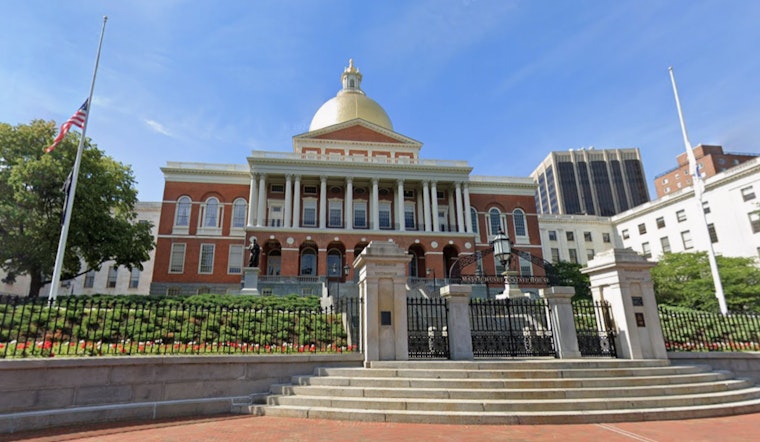
In October, an observance usually adorned in purple ribbons, Massachusetts's Healey-Driscoll Administration put forth updated protocols aimed at enhancing how law enforcement tackle domestic violence issues. According to a recent mass.gov news release, the updated guidelines are a product of the Healey administration's An Act to prevent abuse and exploitation, which notably extends the legal understanding of abuse to include "coercive control."
Governor Maura Healey remarked on the importance of the revised guidelines, stating, "These updated guidelines will make sure our law enforcement officers have everything they need to be prepared to protect and support victims and survivors of domestic violence." Per the release, the updates were informed by the lived experiences of survivors, aiming to ensure procedures that are centered on their security and well-being. Lieutenant Governor Kim Driscoll echoed this sentiment, stressing the guidelines' role in fostering "effective and trauma-informed" responses from law enforcement, as well as enhancing protection efforts for victims.
The guidelines were shaped through intensive collaboration between officials from the Executive Office of Public Safety and Security, the Governor's Council to Address Sexual Assault, Domestic Violence and Human Trafficking, and other stakeholders, ensuring that the measures address critical gaps in the domestic violence response. Key enhancements include a broadened definition of abuse, revised 911 response procedures and incident documentation, updated protocols for child support in cases involving domestic violence, and new practices concerning strangulation, stalking — and firearms handling following the 2024 Modernizing Firearm Laws Act.
Interim Public Safety and Security Secretary Susan W. Terrey signified her approval of the updates, noting the guidelines will "ensure consistency across all our departments while prioritizing victim safety and officer effectiveness," as mentioned on mass.gov. The updates, now accessible to all Massachusetts law enforcement bodies, will also integrate into the Municipal Police Training Committee's upcoming in-service training cycle for the year 2025-2026.
Furthermore, the administration urges those experiencing domestic violence to reach out to available support systems, such as the SafeLink hotline or the statewide resources page. Executive Director for the Governor’s Council, Vilma Uribe, advocates for the collaborative approach taken to refresh these law enforcement protocols, intending to construct a stronger safety net for survivors of domestic violence and foster better coordination with law enforcement agencies. The full details of these updated guidelines and additional resources can be found on the Commonwealth of Massachusetts's official website.



