

























































In an effort to reassess and potentially reform how educational resources are allocated in Massachusetts, the Healey-Driscoll Administration has kicked off a series of public hearings to gather input on the Chapter 70 school finance formula. This formula is the backbone for funding K-12 public education in the state, determining how education aid is distributed among cities and towns. Education Secretary Dr. Patrick Tutwiler emphasized the importance of public engagement, stating, “This is an opportunity for the public to help shape the future of a system that affects every student in Massachusetts.” These remarks were echoed in details obtained by the official announcement on the state’s government website.
As part of the state's Fiscal Year 2026 budget, the Department of Elementary and Secondary Education (DESE) and the Department of Revenue’s Division of Local Services (DLS) will be to closely work together to conduct the Chapter 70 Local Contribution Study. This has been mandated as an essential step in ensuring that the complexities of the current system are fully understood and addressed. DESE Commissioner Pedro Martinez invites all stakeholders to have their say: “We want everyone to have an opportunity to give their feedback—whether you are an educator, a parent or a community member.”
The focus of these hearings will be to scrutinize the Chapter 70 formula, especially how local contributions are calculated, considering factors like income, property wealth, and their impact on municipal services. More so, the study aims to look at the particular challenges faced by rural and regional school districts. Sean Cronin, the senior deputy commissioner for local services at the Department of Revenue, expressed eagerness regarding the collaboration with DESE to carry out the analysis.
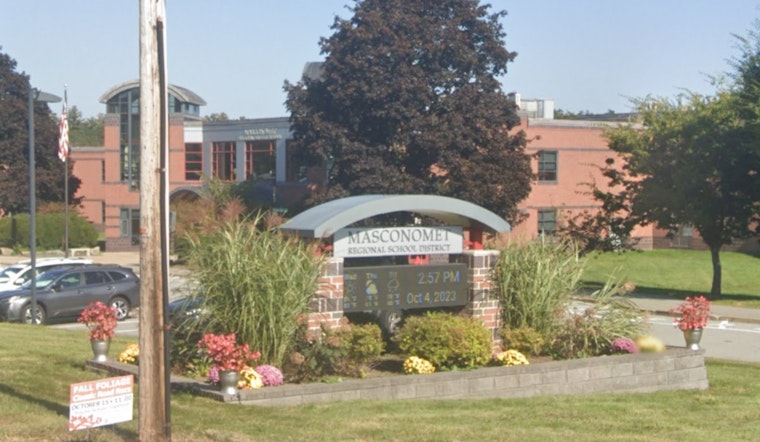
The hearings will take place at various dates and locations throughout October and November, starting on October 23, at Masconomet Regional High School and concluding with a virtual public comment hearing on November 18. Massachusetts residents interested in attending or participating in these sessions are encouraged to visit the DESE website for further details on registration and submission of written comments, which can also be directly emailed to [email protected]. Feedback from these sessions will be invaluable in shaping the final report, expected to be released in the subsequent summer.





