

























































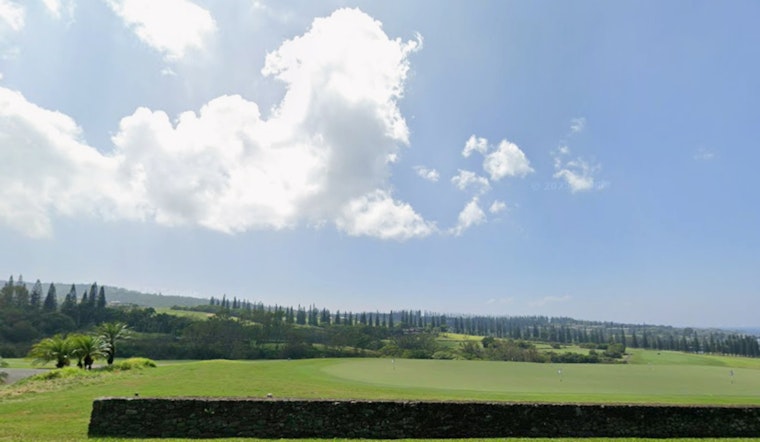
On Monday, Kapalua Resort general manager Alex Nakajima acknowledged the Plantation Course on Maui still isn’t in the condition required to host a PGA Tour event. The admission comes after the PGA TOUR said earlier this fall it would not play The Sentry at Kapalua in January because of drought, water‑conservation limits and agronomic concerns.
Nakajima told GOLF.com that “the level of detail is just so much greater” when preparing a course for tour competition and that, while the turf is recovering, “it’s not where we would like it to be.” He stressed that readying the Plantation for everyday guests is not the same as meeting the exacting standards expected for PGA Tour play.
Why The Sentry Was Pulled
The PGA TOUR said it would not contest The Sentry in 2026 after assessing options and concluding it could not stage the event in time, citing ongoing drought conditions, water‑conservation requirements and agronomic limitations, according to ESPN. The decision forced the Tour to open its season with the Sony Open in Honolulu, reshuffling early‑season travel and playing opportunities.
Course recovery and reopening plan
Kapalua has announced the Plantation Course will reopen for guest play on Nov. 10, but two greens — Nos. 1 and 8 — will remain closed while crews nurse shaded, slower‑recovering turf back to health, as reported by Reuters. The resort has diverted its limited irrigation to the Plantation; the Bay Course remains browned out and unplayable for the foreseeable future.
Economic hit to Maui
The Sentry has long generated roughly $50 million in annual economic activity for West Maui, and its absence is expected to hit hotels, restaurants and nonprofit partners that rely on the event’s charity proceeds. Kapalua’s owner has pledged $750,000 to local nonprofits to help replace last year’s Sentry donations, as per Maui Now and earlier Hoodline coverage.
Legal and regulatory fallout
The turf crisis is tied to an escalating water dispute: TY Management, which operates Kapalua, sued Maui Land & Pineapple in August alleging long‑standing failures to maintain the century‑old Honokōhau ditch system, while Maui Land & Pineapple has countered that drought and regulatory priorities constrained water deliveries, as noted by Hawaiʻi Public Radio. Those filings and the state agency response complicate any quick path back to tournament‑grade turf.
Outlook
Nakajima said Kapalua’s team aims to have all 18 holes playable by the end of the year but cautioned that PGA‑level standards demand a higher margin for error than resort play allows, as mentioned by GOLF.com. For now the Tour, sponsor Sentry Insurance and local leaders say they remain committed to Maui while monitoring conditions and legal timelines that will determine whether Kapalua can host future editions of The Sentry.




