

























































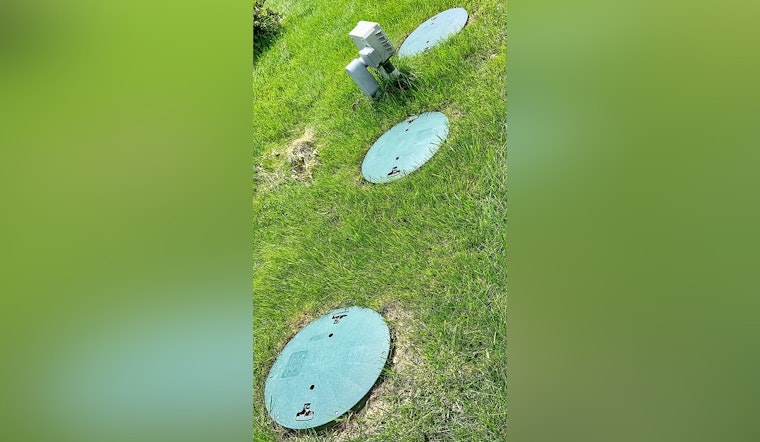
Hundreds of Clark County homeowners have been showing up at Southern Nevada Health District meetings to press officials about proposed changes to septic rules that residents say could saddle them with steep bills. The debate has put retirees and people living in formerly rural neighborhoods on edge as they try to quantify potential costs.
Residents warn of extreme costs
At a recent public meeting homeowners described worst-case conversion bills that would eat deeply into retirement savings. Laurie Howard-Malm said bringing sewer into her Decatur Road/Warm Springs Road neighborhood would cost "anywhere between $500,000 to $800,000," and several speakers noted that many of the affected homeowners are seniors. FOX5
Health district pauses the process
The Southern Nevada Health District postponed a public hearing that had been scheduled for Oct. 23 and says it will reschedule after the new year while it conducts additional outreach and posts draft regulations and notices online. The agency's site also notes it has not created a sewer-conversion program in response to Assembly Bill 220 and that it would only pursue a financial-assistance option if a funding source is identified. Southern Nevada Health District
What the law allows
Assembly Bill 220, passed in 2023, authorizes local boards of health and regional authorities to create voluntary programs to pay the costs for property owners on septic systems to connect to a community sewerage disposal system, but it does not require that such funding be provided. The statute also allows regional water authorities to operate conversion programs and sets reporting requirements for any effort established under the law. Nevada Legislature
Permits, fees and inspections
SNHD's business-impact materials show the agency is proposing to replace permanent septic permits with five-year operating permits and a proposed $226 fee per five-year cycle, paired with routine inspections the district says would better protect groundwater. The district frames the move as shifting from complaint-driven oversight to regular reviews, but homeowners say inspections could trigger expensive sewer hookups in some areas. SNHD Business Impact Statement
How many households could be affected
Local reporting estimates roughly 17,000 Clark County homes still operate on septic systems, many in older subdivisions or on large lots not previously served by sewer. That scale has pushed residents and some elected officials to demand a clear funding plan before any mandate moves forward. FOX5
What to watch next
SNHD says it will post new outreach events and the rescheduled Board of Health hearing on its website once the schedule is set, and the district is keeping its public comment channel open for written submissions. Homeowners watching for next steps should monitor public notices and submit comments to the district's septicregs email as outreach continues.



