

























































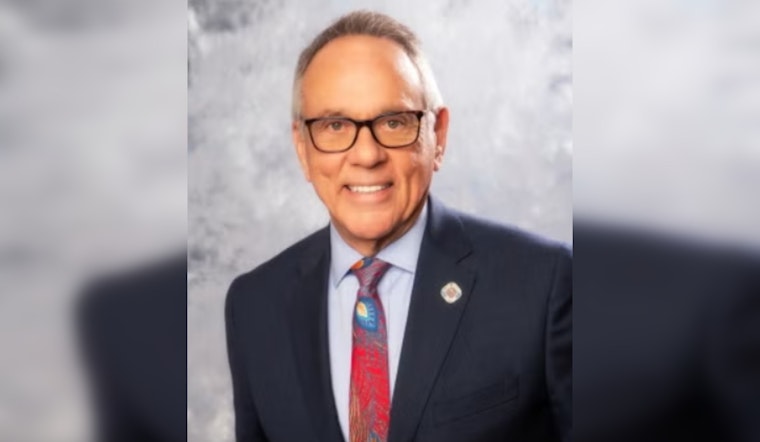
In a bid to shine a light on the issue of youth homelessness, Clark County Commissioner Jim Gibson is set to host a special ceremony at the iconic Welcome to Fabulous Las Vegas sign, the county announced. The event, scheduled for the morning of November 3 at 8 a.m., will see the famed landmark bathed in purple and gold hues, symbolizing recognition and support for National Homeless Youth Awareness Month. According to Clark County's recent statement, this act serves as a public signifier of both the resilience of homeless youth and the community's commitment to assisting them.
"National Homeless Youth Awareness Month reminds us that too many young people in our community face the dangers and uncertainty of homelessness," said Commissioner Gibson in a statement released by Clark County, stressing the gravity of the situation; and the splash of purple and gold on this Las Vegas hallmark aims to drive home that message while encouraging young individuals in dire situations to seek out support—support that the local community is primed to provide. "We encourage them to reach out, and we reaffirm our community’s commitment to helping them find safety, stability, and hope," he further commented, outlining the dual mission of awareness and direct outreach.
At the event's heart lies a greater movement working towards eradicating the barriers faced by homeless youths in Nevada, a cause championed by the Nevada Partnership for Homeless Youth (NPHY). NPHY CEO Arash Ghafoori emphasized the collective efforts in an interview with Clark County, remarking, "It's been incredible to see so many leaders including Clark County, the City of Las Vegas, the Nevada legislature, and many others come together to help raise awareness of the issue of youth homelessness." The NPHY has been diligently working to ensure that available resources are not just adequate but also accessible and of high quality, tailored specifically to the needs of young people.
Situated on the storied Las Vegas Strip, the Welcome to Fabulous Las Vegas sign has served as a beacon for visitors since its creation in 1959 by designer Betty Willis. Recognized as a piece of history on the National Register of Historic Places, the sign does more than just greet tourists; it has become a platform for expressing civic pride and for spotlighting pressing social issues—like the plight of homeless youth that often remain unseen as many couch surf, sleep in cars, or stay in unsafe situations as an alternative to the harsher reality of street life.



