

























































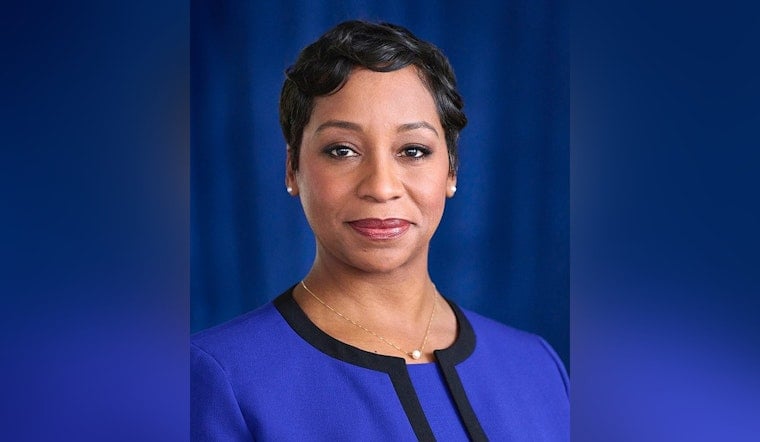
In an assertive move, Massachusetts Attorney General Andrea Joy Campbell directed the charge for a collective defense against the Department of Justice's (DOJ) controversial bid for private medical records, a push back that brings together 19 state attorneys general. According to a report from Mass.gov, they've rallied to file an amicus brief in the U.S. District Court for the District of Massachusetts, setting their sights on halting the DOJ's efforts to pry into gender affirming care practices at Boston Children's Hospital (BCH).
"Gender affirming care can be lifesaving for transgender young people and is essential to their emotional and physical wellbeing,” AG Campbell forcefully articulated, her stance not merely reflective of an official duty but underscoring the state's commitment to its residents' liberties in securing medical services without federal overreach, this statement was sourced from Mass.gov. The Trump Administration dramatically, upon inauguration, took measures that would severely affect this sector of healthcare including issuing an Executive Order branding gender identity as a “false” idea and another that aims to withdraw federal funds from entities that support gender affirming care for minors below 19 years of age, tactically cornering providers and beneficiaries of such crucial care.
In April, following the administrative tone set forth by the aforementioned executive orders, the office of U.S. Attorney General Pam Bondi dispatched directives endorsing an examination of care providers and pharmaceutical enterprises engaged in gender affirming procedures. Come June 11, Boston Children's Hospital found itself at the receiving end of an administrative subpoena from the DOJ, hungrily seeking details on the hospital's gender affirming care services, a maneuver that sought out not just comprehensive patient information but also deeply intimate employment documents of the BCH staff.
However, the DOJ's determined quest met resistance: on September 9, a federal judge, acknowledging the apparent infringement on state sovereignty and the visible shadow it cast on the hospital and its clientele, nullified the DOJ's subpoena by eliminating their authority to collect those documents, discerning the efforts as a fear tactic intended to deter medical establishments from presenting this critical form of care, even in places like Massachusetts where it's not only legal but also fiercely defended. In defiance of the judiciary's admonition, the Trump Administration unwaveringly submitted a motion requesting the Court to vacate its judgment, a telling sign of the Administration's unwillingness to ease its grip on its strategic offensive against gender affirming care as reported by Mass.gov.
The amicus brief that AG Campbell and her counterparts from other states, among them California, Colorado, and 16 others, propose is a bulwark against not only the current subpoena but also a precedent-setting document aiming to secure medical freedoms, it relies on the argument that the federal government's current interpretation of the Food, Drug, and Cosmetic Act (FDCA) should get no quarter as it could criminalize medical professionals for employing approved medications in off-label treatments, a vital component of evidence-based healthcare.





.jpg)