

























































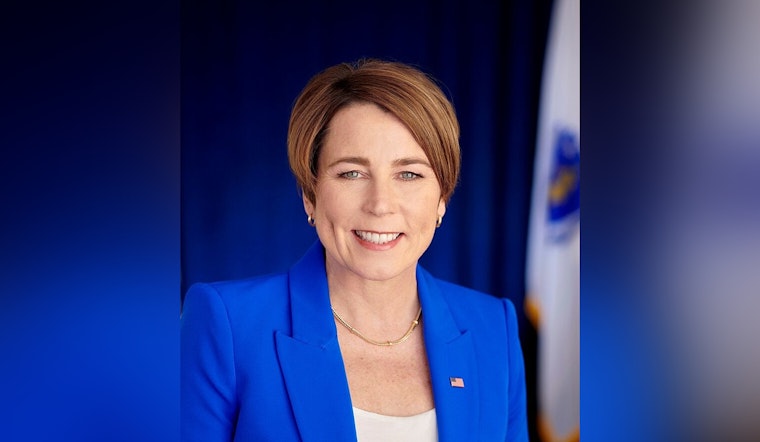
In the wake of a disastrous fire at Gabriel House in Fall River, Governor Maura Healey has taken decisive steps to prevent future tragedies in Assisted Living Residences (ALRs) throughout Massachusetts. Today, Healey shared the outcomes of a comprehensive Fire and Life Safety survey, which has yielded an impressive 100 percent response rate from all 272 ALRs in the state. The survey's completion was part of a series of safety measures mandated by Governor Healey after the fire, which encompassed self-assessments and the submission of Disaster and Emergency Preparedness Plans by these residences, according to an announcement on the official state website.
“The Gabriel House fire was a terrible tragedy. It’s on all of us to do everything we can to enhance the safety of all residents and staff at Assisted Living Residences across the state,” Healey stated as per mass.gov, as she emphasized the collective responsibility to bolster safety protocols. Findings from the survey, analyzed by the Executive Office of Aging & Independence and the Executive Office of Public Safety and Security, underscored areas needing improvement, notably in aging buildings lacking modern safety features. Healey's administration is now initiating actions to shore up fire safety compliance and enhance municipal coordination.
The majority of ALRs demonstrated strong preparedness, but around 13 percent, or 36 residences, highlighted a need for more robust approaches to drills and emergency coordination. A smaller subset, in older structures, expressed opportunities for adopting recommended safety features like fire pumps or fire-rated walls. Despite these residences not falling under the same rigorous fire codes as healthcare facilities, integrating such features is a proactive measure for resident protection, though the lack thereof does not necessarily imply current noncompliance or danger. Moving forward, the state is launching a collaborative effort to support these residencies in reinforcing fire safety.
“By combining heightened awareness by the ALRs with stronger oversight, corrective actions, and clearer communication with municipalities, we are ensuring that risks are identified and addressed quickly,” said Aging & Independence Secretary Robin Lipson on mass.gov. To aid this mission, the Executive Office of Public Safety and Security will deliver survey results to local fire departments, enabling them to work closely with the 189 ALRs that volunteered opportunities for safety enhancements. Furthermore, a new Compliance Verification Form will soon be required for ALRs to obtain annual approval from their local fire department, which will be reviewed during certification processes by the AGE.
Local and state officials have universally voiced their support for these initiatives, acknowledging the vital importance of safeguarding seniors residing in these communities. The collaboration between governmental entities aspires to ensure diligent follow-up on residences reporting concerns and the swift implementation of safety improvements. Representatives from Fall River—the community directly impacted by the Gabriel House fire—have particularly lauded the swift and transparent response from the governor's office, as they work to rectify the vulnerabilities exposed by the tragedy.





