

























































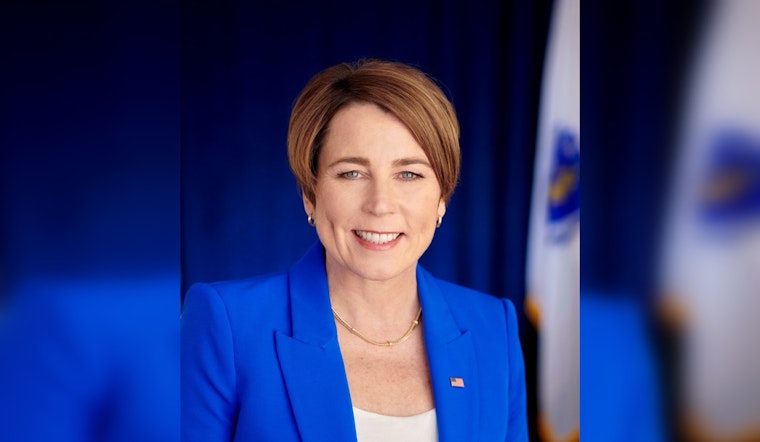
In a strategic move to bolster Massachusetts' already strong economic position, Governor Maura Healey has established the Governor’s Advisory Council on Competitiveness, according to a statement released by the state's official website. Dan Kenary, a seasoned business leader from Harpoon Brewery, and Mark Nunnelly of Toolbox Holdings have been named as co-chairs for the council, bringing a wealth of experience from their respective fields to drive innovation and grow the economy.
The mandate of the newly formed council, which includes advising on taxation business incentives, and workforce development, is also responsive to other critical economic facets like support of innovation, business regulation, and the overarching effects of federal policies. Governor Healey's decision reflects her dedication to fortifying the state’s economic leadership, saying, “I’m creating this Competitiveness Council to bring everyone to the table – business, labor, state and local leaders – to advise me on action we can take to grow Massachusetts’ economic leadership and make us more competitive,” as noted by the state's official website. This bold and inclusive approach aims not just to preserve but further Massachusetts' reputation as a hub of business and talent.
Economic Development Secretary Eric Paley voiced his support, noting that Massachusetts' rich entrepreneurial spirit and research infrastructure position it favorably against any global competition. Paley affirmed, "This council reflects the Governor’s commitment to growing our economy by listening to the people who know it best—our business leaders, workers, and innovators—and by bringing together voices from across the Commonwealth to ensure Massachusetts remains the best place to start, scale, and succeed," as per the state's official website. Evidently, the goals of the council are ambitious and expansive, aiming to encapsulate a broad spectrum of voices and interests within the state.
Underlining her administration's achievements, Governor Healey detailed the construction of over 90,000 new housing units which are either built or in development, and the introduction of significant legislation aimed at energy cost savings for residents and businesses, along with a stark $400 million state investment plan to grow Massachusetts’ research and development sector in the wake of federal cutbacks. By focusing on actionable strategies like limiting health care costs and tax reductions - the first in two decades - Healey charts a clear path towards sustainable economic growth fueled by pragmatic policymaking and collaborative efforts.
The council's composition mirrors the state’s socioeconomic diversity, encompassing members from the Massachusetts House of Representatives and Senate, various local Chambers of Commerce, economic development councils, trade groups, labor unions like AFL-CIO, and policy think tanks. There are also designated representatives from regional minority economic advocacy groups, such as the Black Economic Council of Massachusetts, and We Are ALX, ensuring that the council’s recommendations will be reflective of the broad swath of perspectives necessary for a truly competitive and inclusive economic ecosystem.




