

























































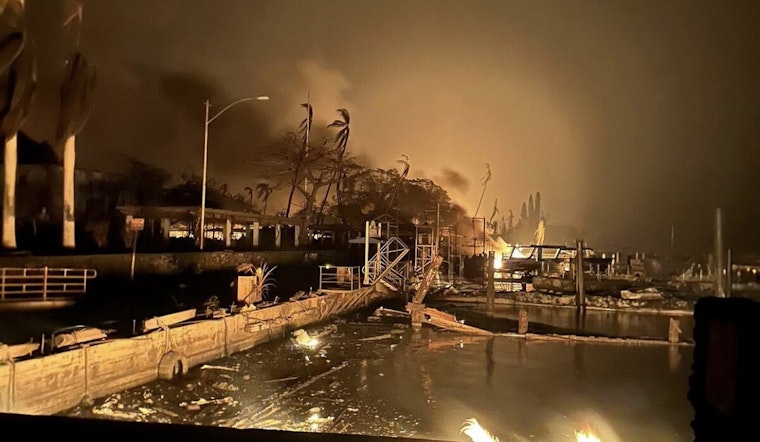
Two years after the August 2023 wildfires that destroyed much of Lāhainā, many Maui students are still living with anxiety, depression and post‑traumatic stress that interfere with school and daily life. Families remain displaced and routines are fragile, and simple reminders — wind, smoke or a nearby brush fire — can push teenagers back into crisis. Teachers and counselors say the work of recovery keeps landing on schools that do not yet have the staffing to manage it.
A University of Hawaiʻi follow‑up study of 2,000 residents found striking mental‑health markers among children: about 51% of those ages 10–17 screened positive for depression, roughly 30% reported anxiety symptoms and nearly 45% showed signs of PTSD. The same report flagged rising physical‑health concerns and that many families still live in temporary housing, which complicates access to care, according to the UHERO report.
"The crisis isn't over," said Christopher Knightsbridge, a researcher who has studied Lāhainā fire survivors, noting that the second‑year mark often brings a return of traumatic symptoms. The Hawaii Department of Education estimates more than a third of Maui students lost a loved one, were injured or experienced major economic upheaval after the blaze, the Associated Press reported.
Schools and services scrambling to keep up
Maui's school system and community clinics face a persistent staffing gap that limits timely evaluations and treatment. UHERO and local officials point to hiring and retention problems — driven by high housing costs and burnout — that have left behavioral‑health roles vacant. To expand services, the county has solicited proposals for community mental‑health programs, as reported by Hoodline and documented in the UHERO report.
Therapeutic approaches on the ground
Nonprofits and peer‑led programs are stepping into gaps where clinics and hospitals are at capacity. Organizations like the Maui Hero Project pair surfing and outdoor skills training with guided group reflection to reach teens who resist conventional therapy. State peer supports such as YouthLine are expanding capacity, but providers say those efforts still reach only a fraction of students in need, the Associated Press reported.
Bigger picture: disasters are getting costlier
Maui's experience reflects a national trend of more frequent, severe disasters that strain schools and health systems. The National Centers for Environmental Information counted 27 U.S. billion‑dollar weather and climate disasters in 2024 that caused 568 deaths and roughly $182.7 billion in damage, and the United Nations notes that burning coal, oil and natural gas produces the bulk of emissions amplifying those extremes.
Local leaders and researchers say the remedy requires sustained investment: school‑based mental‑health teams, culturally grounded services and stable housing so families can access continuous care. Without those long‑term commitments, experts warn, schools will keep shouldering the aftermath of a disaster that, for many young people on Maui, is not over.




