

























































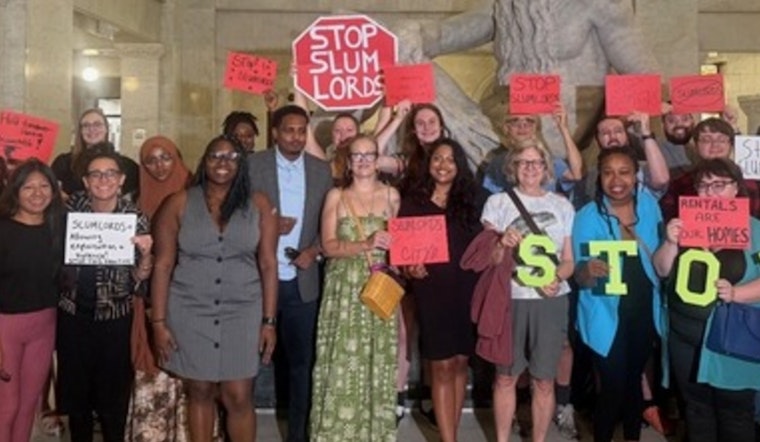
Minneapolis is taking a stand against negligent landlords, with its latest city council decision aimed squarely at improving life for the city's renters. On October 9th, the Minneapolis City Council voted unanimously to pass the Slumlord Tier Oversight and Protection ordinance, a piece of legislation intended to clamp down on repeat offenders in the housing market. Known informally as STOP Slumlords, this ordinance will come into play for rental properties marked by a history of multiple violations; landlords will now need the council's approval for their license renewal - a process that's set to introduce a tougher stance on those who disregard tenant safety and health standards.
"Neglect by slumlords has left many tenants without safe and decent housing for far too long," Council Member Jamal Osman, the lead author on the policy, was quoted by the Minneapolis official bulletin. "This ordinance gives the City real tools to hold bad landlords accountable. For tenants, that means safer homes, quicker repairs, and a City that will stand with them when landlords fail to act." His sentiments were echoed by fellow council members, including Council Member Robin Wonsley, who criticized the previous administration's lax enforcement of rental standards.
With approximately 23,400 rental licenses covering around 123,000 rental units in Minneapolis, the issue touches a sizeable part of the city's population. A concerning number of these units, about 2,250 across some 160 licenses, fall into Tier 3. This categorization flags significant violations that adversely affect tenant well-being, predominantly in areas home to lower-income renters, people of color, and student populations - demographics that Council Member Aurin Chowdhury argued deserve safe and healthy living conditions regardless of their income or neighborhood.
Council Member Katie Cashman, who co-authored the policy, highlighted the struggles of renters living in unsuitable buildings and the problematic nature of absentee landlords. "I’m proud that we united as the Council and passed this ordinance unanimously to bring public accountability to high-risk rental licenses," she told the Minneapolis Bulletin. It's clear that for council members and tenants alike, STOP Slumlords is a sign of the overdue attention being paid to a long-standing problem.
With an effective date of January 1, 2027, the ordinance provides ample time for landlords to get their act together and for the city to prepare for the enforcement of this new oversight policy. Building a framework to ensure that all Minneapolis residents have access to quality housing is at the heart of this legislative effort, a goal that finally seems within reach after decades of systemic neglect in some corners of the housing market.





