

























































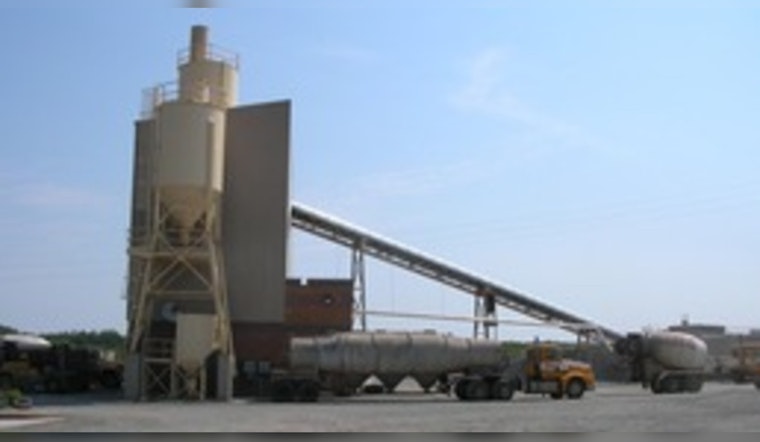
In the midst of a sustainability push, the Minnesota Department of Transportation (MnDOT) and local agencies are steering towards using recycled materials in road construction, a move that could signal a revolution in infrastructure and environmental stewardship. Research into incorporating plastic waste into asphalt and concrete mixes shows it could not just be feasible, but beneficial, potentially offering improved material performance and a boon for sustainability. Assessing the eco-friendliness of our roads, these studies detail a vision where both our planet and our pockets could benefit.
Corrugated pipes aren't the most glamorous topic, but they're instrumental in infrastructure, and now they may be getting an eco-friendly overhaul. Researchers have field-tested pipes made with recycled materials against those made from virgin materials, with no discernible difference in performance. As reported by MnDOT, the use of recycled HDPE in pipes is not only environmentally sound, but it could also save some cash. This encouraging revelation comes in tandem with other benefits outlined in the study, including that of low-quality aggregate use in road designs, which appears to offer substantial cost reduction without sacrificing road integrity.
Another focus of infrastructure innovation is on the ever-present issue of road safety. MnDOT's research highlights a concern with pavement markings that are highly visible at night yet may turn treacherous in wet conditions due to decreased friction. Testing a variety of marking materials, some, including additives like taconite, were found to boost friction, therefore potentially improving safety. But the journey doesn't end there, as the agencies look to continuously refine their choice of marking materials to safeguard all who travel our roads.
The humble rumble strip, a noise-making safety feature that jolts dozing drivers awake, is undergoing its own transformation. Intent on preserving this lifesaver's efficacy, MnDOT is exploring materials such as Void Reducing Asphalt Membrane and Rapid Penetrating Emulsion to ensure these strips can withstand the test of time and tires. About corrugated pipes, MnDOT's bulletin shared insights into the potential longevity and effectiveness of these materials, both presumably cementing the rumble strip's place in road safety.
And let’s not forget about the future of procurement processes in transportation projects. Beginning in 2028, MnDOT will require environmental product declarations (EPDs) for projects using concrete or asphalt. This move strives to embed sustainability into the very fabric of infrastructure design and implementation. The agency's guidance and recommendations developed as part of their recent project signal a growing trend in the industry to consider environmental impacts from the procurement phase onwards, potentially changing how transportation projects are evaluated and executed for years to come.
For those interested in the evolving landscape of infrastructure and environmental strategies, mark your calendars for the upcoming virtual event "Smart Stormwater Strategies" on October 16th and the in-person 2025 CTS Transportation Research Conference on November 6th. These events promise to flesh out the details of the innovative research and dive deeper into the future of sustainable transportation initiatives.





