

























































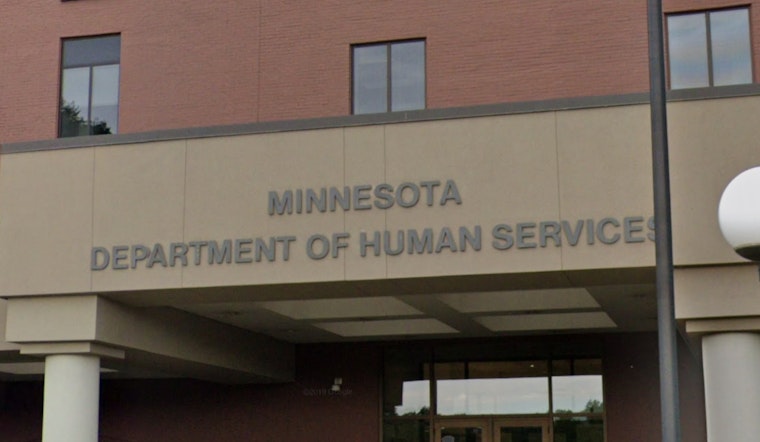
Minnesota's Department of Human Services has announced updates to key policies involving foster care responsibilities, directly impacting both county and tribal agencies. The revised document, titled Legally and Financially Responsible Agency Roles for Children in Foster Care (DHS-3822), addresses multifaceted legal and financial responsibilities in scenarios where more than one agency is involved in a child's foster care placement.
The updated guidelines aim to more clearly define the roles between these agencies, particularly in cases involving American Indian children. The changes were sparked by consultations and reviews that spotlighted areas in need of further clarification. The American Indian Wellbeing and Family Supports and Placement Services Units have come together to specifically outline the roles when tribes are legally responsible, while counties maintain financial responsibility. "This document now provides an overview of Tribal court jurisdiction and the different roles of the legally and financially responsible agencies pertaining to case management, documentation and Northstar Care for Children," says the official release from Minnesota's Department of Human Services.
Furthermore, the revised document includes additional details under the "Case Management" section. Scenarios that may arise from the divergence of legal and financial responsibilities are now more substantially covered, including subtle yet vital information for the Minnesota Assessment of Parenting for Children and Youth (MAPCY).
As part of the update, the Department reinforces the commitment to "People First" language, ensuring respect and dignity for those they serve. To accommodate diverse needs, the Department has also made an advisory regarding the Americans with Disabilities Act (ADA), emphasizing the availability of information in accessible formats. Assistance can be sought by calling a designated number for individuals with disabilities or reaching out to the agency's ADA coordinator for other disability-rights-related information. These details, signed off by Assistant Commissioner Rebecca St. George, not only reinforce legal and financial frameworks but also uphold the values of inclusiveness and cultural sensitivity that the Department espouses.





