

























































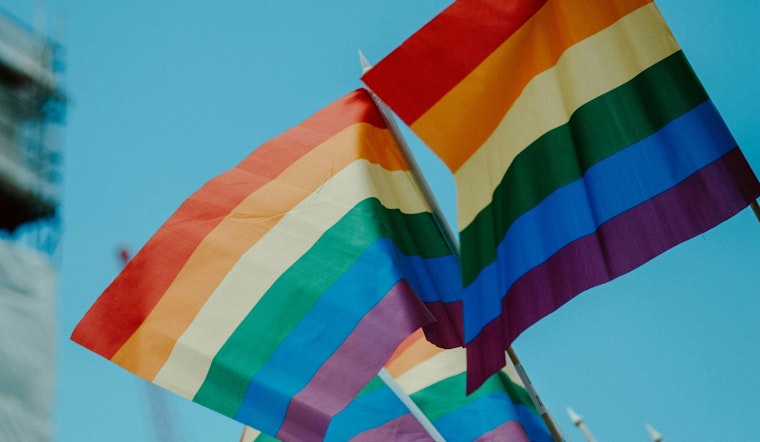
In commemorating National Coming Out Day, the Minnesota Senate Queer Caucus has made a powerful statement reinforcing its commitment to the LGBTQIA2S+ community, opposing discrimination, and advocating for an inclusive future. The caucus, which includes Senator Clare Oumou Verbeten of St. Paul, Senator Scott Dibble of Minneapolis, Senator Erin Maye Quade of Apple Valley, and Senator Lindsey Port of Burnsville, underlined the significance of the day and its close ties to historical LGBTQIA2S+ rights movements. According to the Minnesota Senate DFL, the caucus emphasized that despite nearly four decades since the inception of National Coming Out Day, the echoes of past struggles linger ominously.
"Our task as queer legislators is to help bring about a world without closets," reads an October 11 statement from the caucus retrieved by the Minnesota Senate DFL website. They stressed the importance of celebrating individuals who courageously step into the open, and the critical support required for those who are coming out isn’t a safe option. In a push against institutional threats and baseless prejudices, their collective voice echoes a determination to eradicate the pervasive closets that foster discrimination and conceal identities.
The historical context of National Coming Out Day is not lost to time. It marks the anniversary of the 1987 National March on Washington for Lesbian and Gay Rights and recalls a period of crisis and urgency amid the AIDS epidemic. It was Robert Eichberg, along with Jean O’Leary, who, in a bout of insight that predates these present senators by decades, recognized the power inherent in visibility. "Most people think they don't know anyone gay or lesbian, and in fact, everybody does," Eichberg is quoted on the Senate DFL site. "It is imperative that we come out and let people know who we are and disabuse them of their fears and stereotypes."
As the state and nation continue to navigate conversations around gender and sexuality, the stance of the Minnesota Senate Queer Caucus remains firm and hopeful. They envision a tomorrow where identities are embraced openly, where respect overshadows scapegoating, and where equality underpins housing, employment, health care, and family structures. Such a future, the caucus members suggest, is not a distant ideal but a budding reality born from the relentless advocacy and authentic existence of the LGBTQIA2S+ community and its allies.





