

























































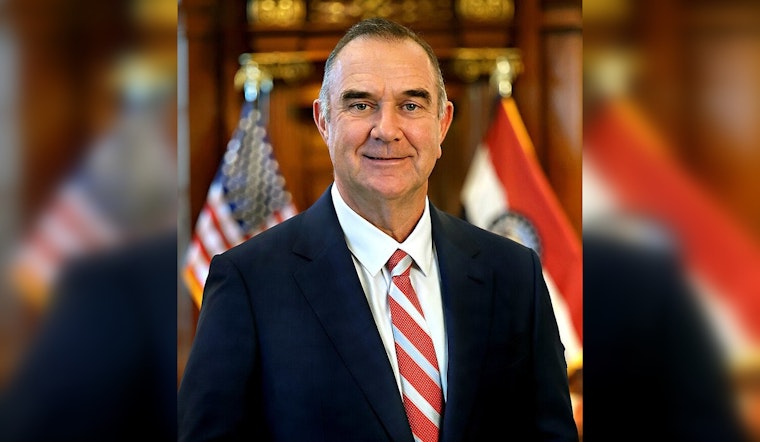
Today, Missouri Governor Mike Kehoe firmly placed the scales of justice over mercy when he denied the clemency request of Mr. Lance Shockley. In 2005, Shockley was convicted for the cold-blooded murder of Missouri State Highway Patrol Sergeant Carl DeWayne Graham, Jr., a crime that has reverberated through the corridors of law enforcement and the community for two decades.
In a statement that would appear to resolutely affirm the state's stance on crimes against law enforcement officials, Governor Kehoe declared, “Violence against those who risk their lives every day to protect our communities will never be tolerated. Missouri stands firmly with our men and women in uniform.” The weight of this decision is especially significant as it marks the state's continued commitment to ensuring that justice is not only sought but also realized, no matter how much time has passed since the crime, as noted by Governor Kehoe's office.
Shockley's story is a grim tapestry of crime and punishment, with him fatally shooting Trooper Graham—a man at the time probing into Shockley's suspected drunken driving that led to another man's death. According to a press release from Governor Kehoe's office, Shockley delivered a rifle shot that paralyzed Trooper Graham before ending his life with shotgun blasts. This heinous act gained Shockley a unanimous first-degree murder conviction along with three aggravating factors.
The governor emphasized the importance of upholding the rule of law, affirming that Missouri remains committed to pursuing justice to the fullest extent. His statement follows the conclusion of Shockley’s case, which underwent extensive judicial review by the Missouri Supreme Court, the federal district court, the Eighth Circuit Court of Appeals, and the United States Supreme Court — all of which upheld the original sentence without modification.





.jpg)