

























































The MIT Museum is currently showcasing a bold yet somber artwork titled "Remembering the Future," crafted by Janet Echelman during her tenure as the 2022-2024 MIT Distinguished Visiting Artist; the large-scale installation was brought to fruition in collaboration with architect, engineer, and Associate Professor Caitlin Mueller and the MIT Center for Art, Science & Technology (CAST), as reported by the museum's website.
This installation does not shy away from confronting viewers with the stark reality of Earth's climate trajectory, the grandiose sculpture made from interwoven ropes and twines hangs in the lobby both detailing the Earth's climatic past since the last ice age and spiraling out into a spread of potential future scenarios, according to Cambridge Day.
Spanning from historical data to speculative climate modeling, the piece reminds us of the delicate position we currently occupy in environmental history. Echelman's use of technology played a critical role in realizing the installation, with computational methods allowing the artist to anticipate and simulate the effects of gravity on her envisioned structures; this innovation was made possible through a tool developed by Adam Burke during Echelman's artist residency at MIT, as described in the publication "Radical Softness," which delves into Echelman's work and technological practices.
The sculpture is not only a visual representation, but also an interactive experience, where visitors can manipulate a simulated version of the piece using a slider to observe the transformation from the artist’s initial concept to the final "optimized" form affected by gravity and physical laws just like the immersive artwork looms within the museum space, inspiring both wonder and contemplation over our environmental future, "Remembering the Future" serves as a stark reminder of what might lie ahead for our planet – as captured by the piece's thought-provoking name derived from the writings commonly attributed to Søren Kierkegaard: "The most painful state of being is remembering the future, particularly the one you'll never have," as noted by MIT Museum.
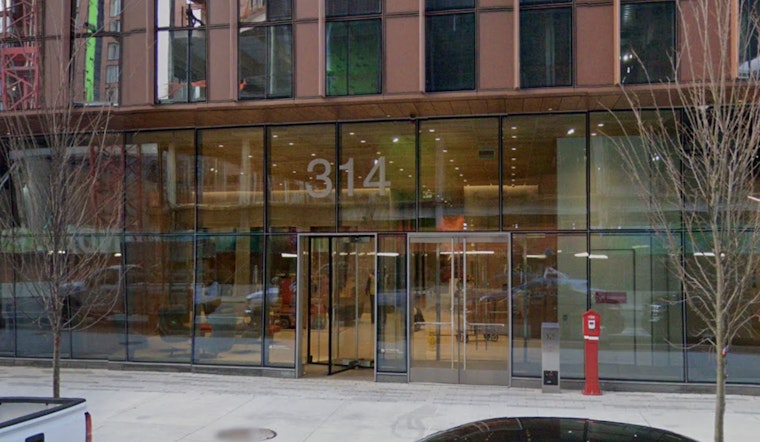
The broader intent of Echelman's project is to drive home the effects of environmental policies and actions on energy systems, an aspect underscored by her climate research collaboration with Professor Raffaele Ferrari and the MIT Lorenz Center, creators of the En-ROADS simulator which utilizes modern climate data and models. "Remembering the Future" can be viewed at the MIT Museum, located at 314 Main St., Kendall Square in Cambridge, where it offers an evocative and important perspective on our role in Earth's climactic saga, free of charge for all museum visitors.





