

























































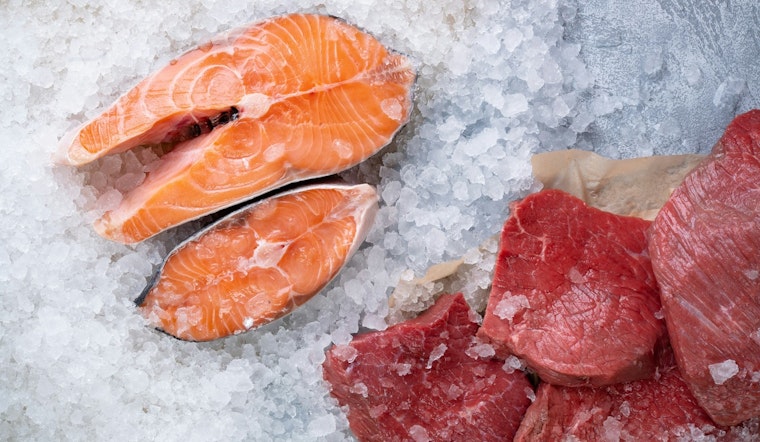
In potentially groundbreaking health news, MIT researchers have found that a diet high in cysteine, an amino acid commonly found in foods like meat, dairy, legumes, and nuts, can significantly boost the regeneration of the small intestine's lining. This discovery sheds light on how specific nutrients in our diets might influence the repair of bodily tissues, specifically in the gut.
During the study, detailed by MIT News, scientists observed the enhancement of stem cell activity required for the healing process in tissue damaged by radiation, a side effect frequently endured by cancer patients undergoing radiation therapy. By consuming a diet high in cysteine, the mice used in the experiment showed a faster recovery, a phenomenon spearheaded by the activation of an immune signaling pathway. Omer Yilmaz, who led the study, pointed out the potential this holds for people enduring the ravages of chemotherapy or radiation treatment, stating, "The beauty here is we’re not using a synthetic molecule; we’re exploiting a natural dietary compound."
Cysteine in the diet transmutes to CoA within the small intestine, which in turn, activates CD8 T cells. These cells proliferate and produce a cytokine known as IL-22, vital for the restoration of the intestinal lining. "What’s really exciting here is that feeding mice a cysteine-rich diet leads to the expansion of an immune cell population that we typically don’t associate with IL-22 production and the regulation of intestinal stemness," Yilmaz told MIT News. The rise of IL-22-producing CD8 T cells, according to the study, equips the body better to handle intestinal injuries.
The benefits of cysteine had been documented before, particularly for its antioxidant properties, but this study is pioneering in linking it directly to intestinal cell regeneration. Beyond the gut, researchers are also exploring the potential effects cysteine could have on other types of stem cells, such as those involved in hair follicle regeneration. Cysteine stands out among the 20 amino acids tested because of its pronounced effect on stem cells and progenitor cells; the building blocks that differentiate into adult intestinal cells - indicating its unique place within the pantheon of amino acids when it comes to tissue restoration.
While the MIT study was conducted on mice, its implications for human health could be extensive if future research aligns with these findings. The healing power of a simple diet change, offering a readily available nutritional approach to patients suffering from cancer treatments' side effects, represents a hopeful advancement in medical science. Funded in part by numerous prestigious institutions and foundations, this research is a step toward potentially revolutionizing the care and recovery of millions of patients worldwide.




