

























































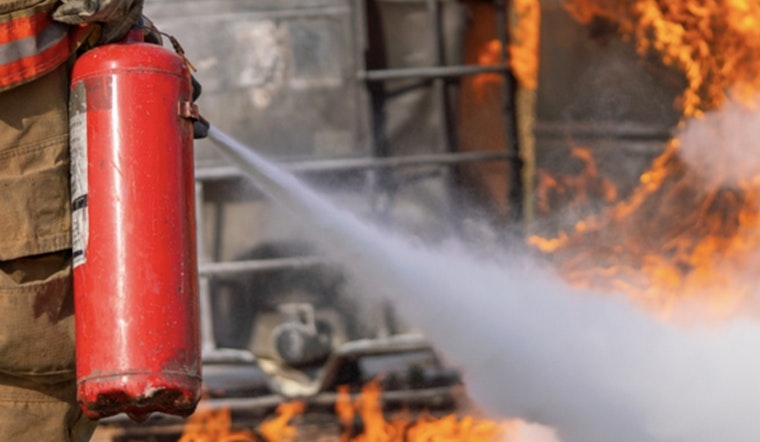
In response to heightened fire risks and sustained dry conditions, New York's Governor Kathy Hochul, in conjunction with the State Department of Environmental Conservation, has enacted a statewide burn ban effective yesterday, enduring a 14-day period until October 15. In a statement from the office of the Governor, the ban curtails most forms of outdoor burning, including brush disposal and campfires, though smaller, contained fires and cooking fires remain permissible.
The temporary ban aims to protect residents and the state’s natural environment as drier months bring increased fire risks, especially in the Southern Tier, Lake Ontario Plains, St. Lawrence, Adirondack, High Peaks, and Upper Hudson Champlain regions, where the fire danger is currently rated "High." Other areas are marked as "Moderate," but dry conditions are expected to continue throughout the week. The Governor's office highlighted the importance of these measures during this critical period, when dry leaves crackle underfoot and lingering winds can easily ignite dangerous fires in vulnerable areas.
Amid these efforts, Governor Hochul announced the return of 14 wildland firefighters from out-of-state assignments, including New York State Forest Rangers and Division of Lands and Forests employees such as David Kallen and Richard Franke. After assisting with wildfire response in the West, they are now back in New York, prepared to protect their home state from similar threats.
The burn ban coincides with drought warnings and watches issued for parts of the state, excluding New York City and Westchester County. A map of these areas is available on the DEC’s website. New Yorkers, especially those with private wells, are encouraged to conserve water by taking simple steps such as running full loads in dishwashers and washing machines, repairing leaks, and limiting outdoor water use. These actions align with the current prevention efforts and promote greater awareness of conserving finite resources. New York, familiar with the challenges of dry spells, urges residents to adopt water-saving practices outlined on the DEC’s Water Use & Conservation webpage to help combat the ongoing drought.
Highlighting the ecological effects of drought, the DEC notes that reduced stream flows and lower precipitation can negatively impact both aquatic and terrestrial life, leading to weakened plant growth and increased risks of harmful algae blooms. The DEC monitors these conditions through its HABs Reporting and Notifications page to keep communities informed about these interconnected environmental issues. For individuals needing help with private water wells, the state advises contacting registered contractors for sustainable solutions and stresses that water conservation should be practiced year-round, as outlined on their website.




