

























































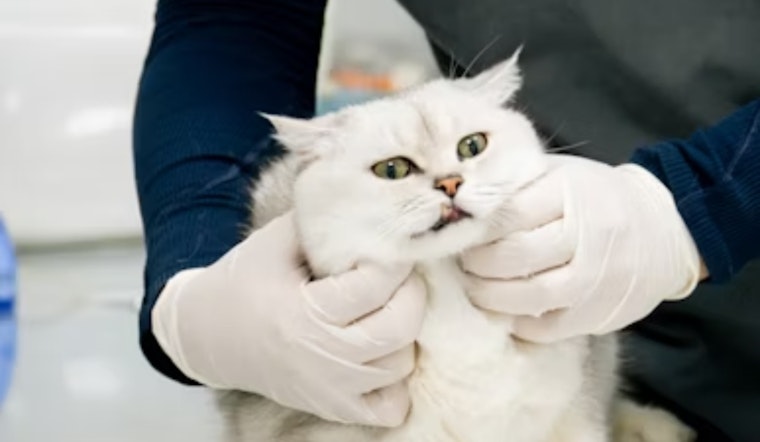
If you're living in a rural area and notice your pup scratching behind its ear a bit more than usual, you may need to be patient in getting that vet visit. A study headed by Simon Haeder, an associate professor at Ohio State’s College of Public Health, underlines a stark divide in veterinary care between urban and less populated zones. As reported by Ohio State News, the research, published in the Journal of the American Veterinary Medical Association, indicates that while overall accessibility to vet appointments isn't terrible, rural pet owners face more significant hurdles.
In an extensive "secret shopper" survey, researchers posing as dog owners reached out to over 5,000 veterinary practices across states, including California, Minnesota, Ohio, and Washington. Appointments were locked down 67% of the time, yet, notably in rural areas, securing these critical visits was successful less than 62% of the time. When appointments weren't made, reasons included being unable to connect with a practice or being left on hold too long – the five-minute mark was the study's cutoff. Additionally, while urban dwellers could expect to wait an average of 6.4 days for an appointment at a travel distance of 6.4 miles, rural pet parents faced an 8.6-day wait and a journey of around 13 miles.
The situation seems to be getting some institutional attention. Ohio State's College of Veterinary Medicine is launching initiatives like Protect One Health in Ohio, targeted to boost the number of veterinarians, particularly those serving in rural areas. The college's plans, detailed in another article in the Journal of the American Veterinary Medical Association, include producing more home-grown vets equipped to enhance rural veterinary care.
Access, right after the cost of care, remains a prime concern for pet owners. "When pets don’t receive prompt preventive care, diagnoses and treatment, both the pets and their owners suffer, and we know that living with a beloved pet can be good for health, both mental and physical,” Haeder noted. And there are broader implications at stake. "And gaps in access can pose broader public health threats, especially if animals aren’t protected against vaccine-preventable illnesses like rabies," he told Ohio State News. This indicates the potential for not just personal distress, but public health risks in the absence of readily available veterinary care, something that could reverberate beyond the remote, open pastures to touch us all.





