

























































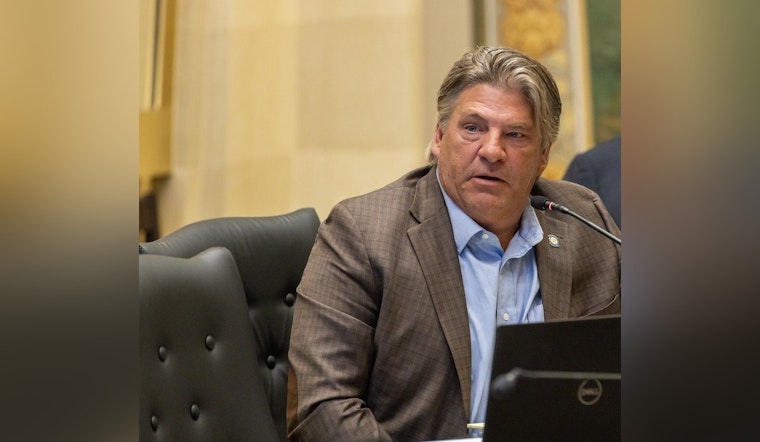
Food trucks across Oklahoma have a new checklist for compliance as a recent bill puts into effect a streamlined permitting process for the use of liquefied petroleum gas (propane). The bill, championed by Rep. Scott Fetgatter, R-Okmulgee, simplifies the regulatory environment for mobile food vendors, requiring them to secure a single permit from the Oklahoma Liquefied Petroleum Gas Administration (OLPGA) instead of navigating the maze of local bureaucracy.
Fetgatter expressed his satisfaction with the OLPGA's expedient action in setting up the new system, stating, "I'm extremely grateful to the Oklahoma LP Gas Administration for their quick work to ensure there are limited disruptions to these operators in getting the proper permits to comply with this new law. Great work by all," according to a report by okhouse.gov. Starting Nov. 1, food trucks utilizing LP gas systems have until Oct. 31 to apply and until Nov. 1, 2026, for their inspections. Late applications are still permissible, though they may cause temporary operational pauses in certain jurisdictions.
The new law essentially looks out for the safety of both those serving up meals on the go and their customers. The requirement for an annual permit and inspection ensures that all mobile food service vehicles are properly equipped with fire suppression mechanisms. Operators can access permit application forms and additional resources on the OLPGA's official website.
Beyond the primary OLPGA permit, food truck operators generating grease-laden vapors must also secure inspections from the State Fire Marshal and obtain a license from the State Department of Health. Adding another layer of compliance means, they have to adhere to any specific regulations set by local political subdivisions. Essentially, while the process may be centralized, a few additional hoops remain for the vendors.
The OLPGA has undertaken a collaborative approach in the development of this permitting process, consulting lawmakers, stakeholders, and the food truck community to ensure the new system supports business continuity while aligning with public safety goals. The urgency of the matter saw the adoption of emergency rules that have already received the nod from the administration's Rules Committee and can be enacted without formal approval from the Board. The Legislature will eventually review these rules to cement their permanency.





