

























































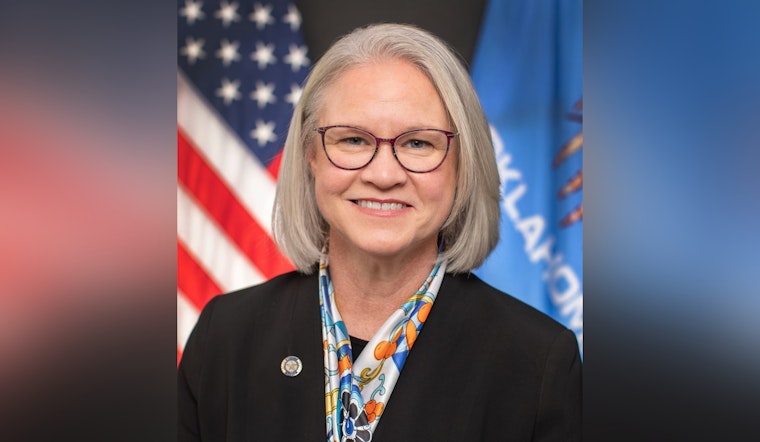
Oklahoma is stepping up its game in early childhood education and support, as Rep. Trish Ranson, D-Stillwater, recently chaired an Interim Study aimed at creating a Department of Early Childhood in the state. This initiative, discussed in front of the Appropriations and Budget Health Subcommittee, delves into the current challenges Oklahomans face in this arena, drawing from the successful strategies of states that have pioneered similar departments.
"The successes of other states in creating an early childhood department is inspiring," said Ranson, expressing her vision for a department that balances family-centric services with outcomes rooted in solid data, as per a statement obtained by the Oklahoma House of Representatives. Expert testimonies were provided by several professionals including Regina Birchum of the Legislative Office of Fiscal Transparency, who evaluated existing early childhood structures in Oklahoma, and Carrie Williams from Oklahoma Partnership for School Readiness who focused on systems bolstering family strength and children’s readiness for school.
The state of Oklahoma confronts a deepening health and mental health crisis among women and children, with over half of its counties lacking adequate healthcare access, a stark dataset revealing only 21 of 77 counties offering full healthcare services. This backdrop made the compelling case for a department dedicated to early childhood, one that could bring more cohesion to early childcare programs, and could benchmark against models from 13 other states that have ventured down similar paths, fostering departments focused on the early years of child development.
The discussions from this study also included insights from Secretary Elizabeth Groginsky of the New Mexico Early Childhood Education and Care Department, and Director Kara B. Wente from the Ohio Department of Children and Youth that brought to light the varying approaches of blue and red states to early childhood education initiatives. Ranson and her colleagues are looking at these states’ methods to scaffold their embodied proposals and turn them into actionable outcomes for Oklahoman families tying this to the sustainable investment over time that would be required, an effort underscored by Rob Grunewald, an Economics and Public Policy Consultant, and Becca Hanlin Listik from the Prenatal-to-3 Impact Center.





